
Tube
Connector
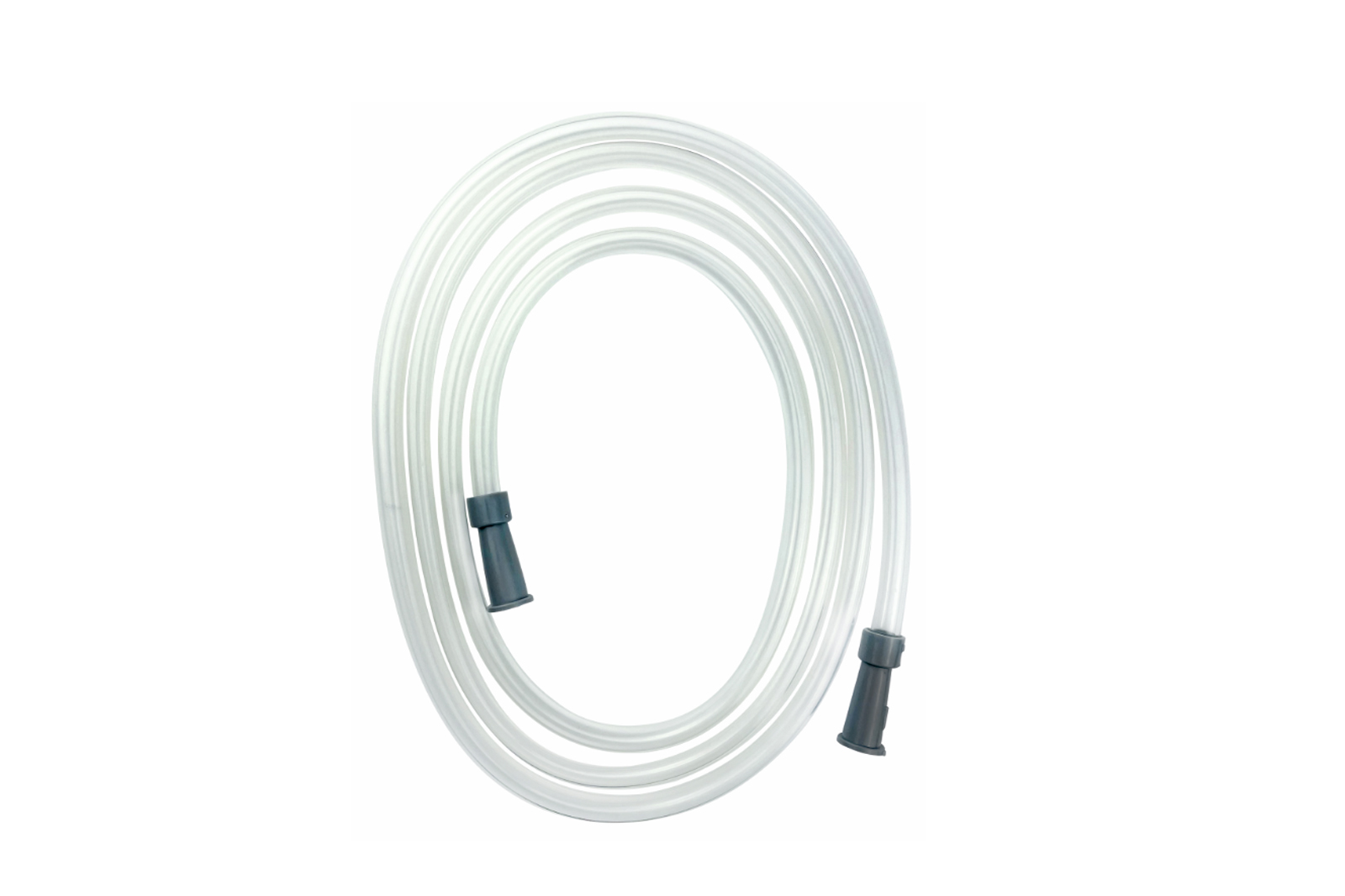
The connecting catheter (tube) is used as an extension line, drainage line, or flexible connection in medical devices.
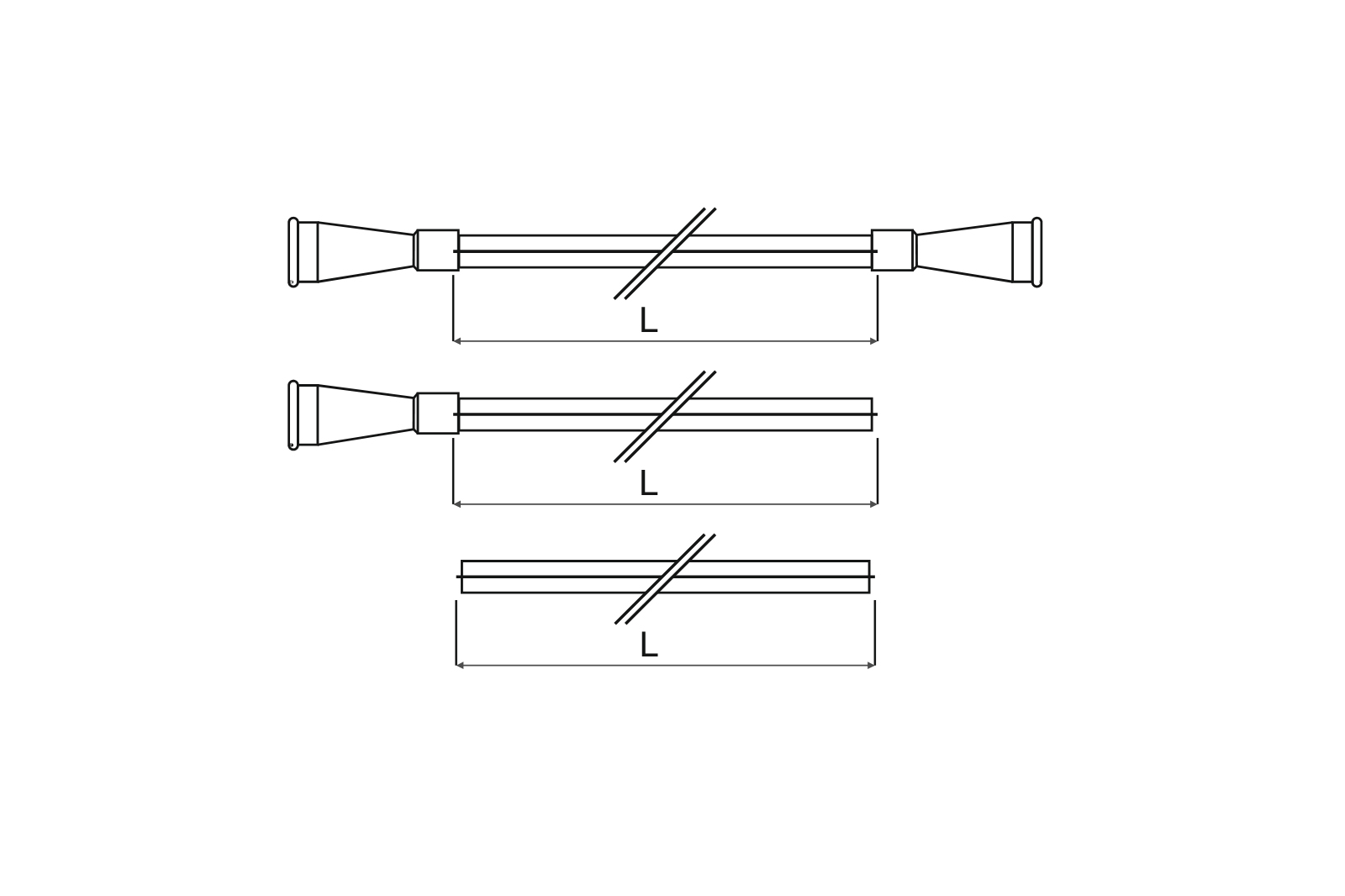
Outer diameter D, CH – from 4 to 36, with connector color coding according to international standards. Length L – 100-20000 mm.
Tube material: transparent thermoplastic implant-grade non-toxic medical PVC, phthalate-free.
With/without tube marking.
Tube with/without radiopaque stripe.
The connecting catheter (tube) is made of transparent thermoplastic non-toxic polyvinyl chloride.
It has an atraumatic open tip.
Available without connectors, with one connector, or with two connectors.
Transparent material allows visual monitoring.
Tubes are resistant to adhesion during reverse bending.
Possibility of connection through connectors with tubes of different diameters.
A radiopaque stripe (X-ray contrast line) allows the catheter position to be determined by X-ray.
The tube marking (metric scale) allows control of insertion depth, preventing complications and improving convenience for medical personnel.
Tube
Connector
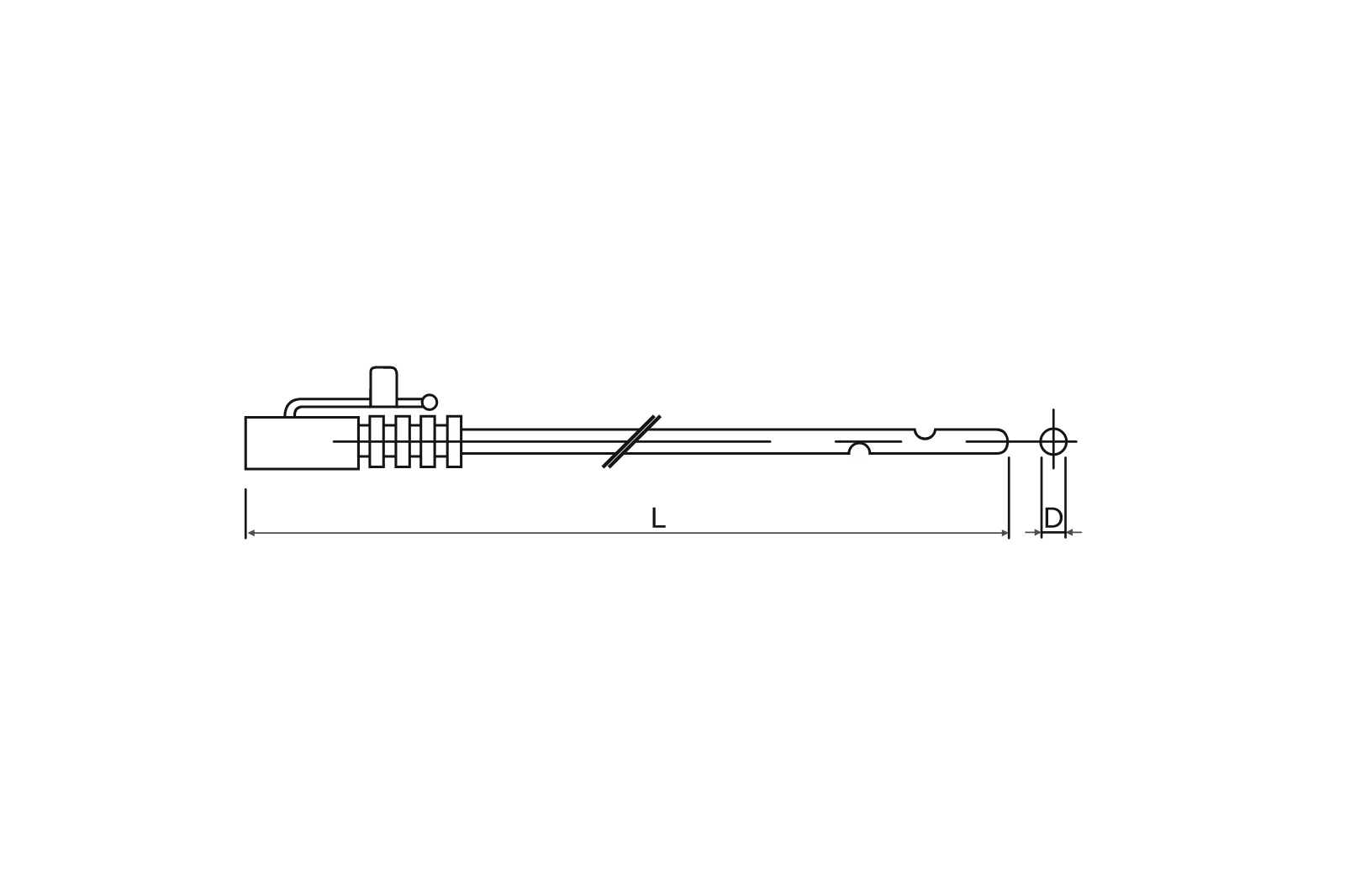
Outer diameter D, CH – from 4 to 36, with connector color coding according to international standards.
Length L, 100-2000 mm.
Tube material: transparent thermoplastic implant-grade non-toxic medical PVC, phthalate-free.
With/without tube marking.
Tube with/without radiopaque stripe.
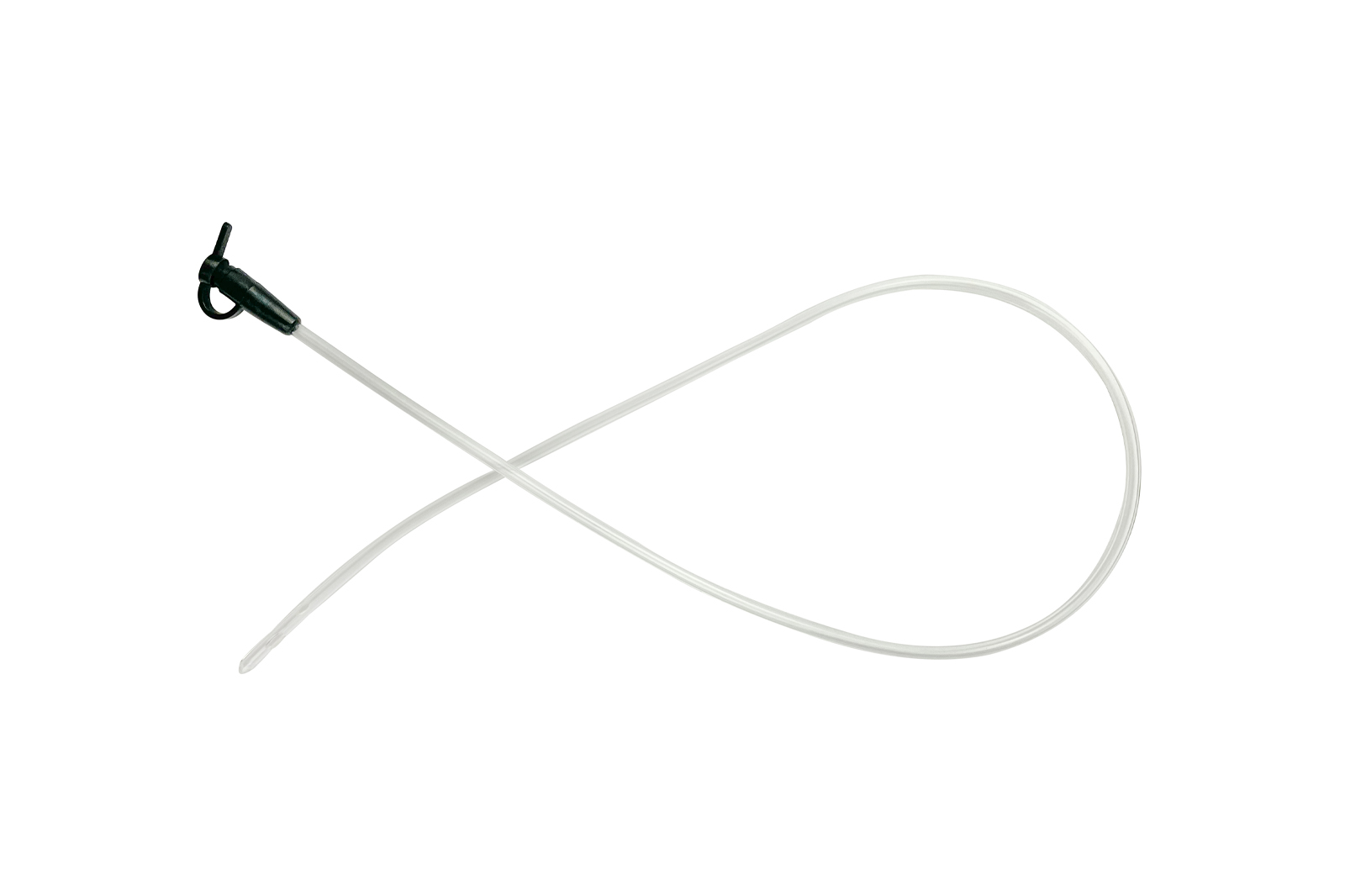
The feeding catheter is used in gastroenterology for enteral feeding and administration of medicinal products into the stomach cavity.
The feeding catheter is made of transparent thermoplastic implant-grade nontoxic polyvinyl chloride.
The thermoplastic material softens under the temperature of surrounding tissues.
It has a closed rounded distal end, ensuring painless atraumatic insertion.
Special positioning of the lateral openings reduces the risk of “dumping syndrome”.
The Luer-type connector is adapted for use with automatic dosing devices.
The hermetically closing connector cap (designed for repeated opening and closing) prevents liquid leakage and protects the catheter contents from infection.
Smooth surface ensures easy insertion. The lumen does not collapse when twisted.
A radiopaque stripe (X-ray contrast line) allows the catheter position to be determined by X-ray.
The tube marking (metric scale) allows control of insertion depth, preventing complications and improving convenience for medical personnel.
Tube
Connector
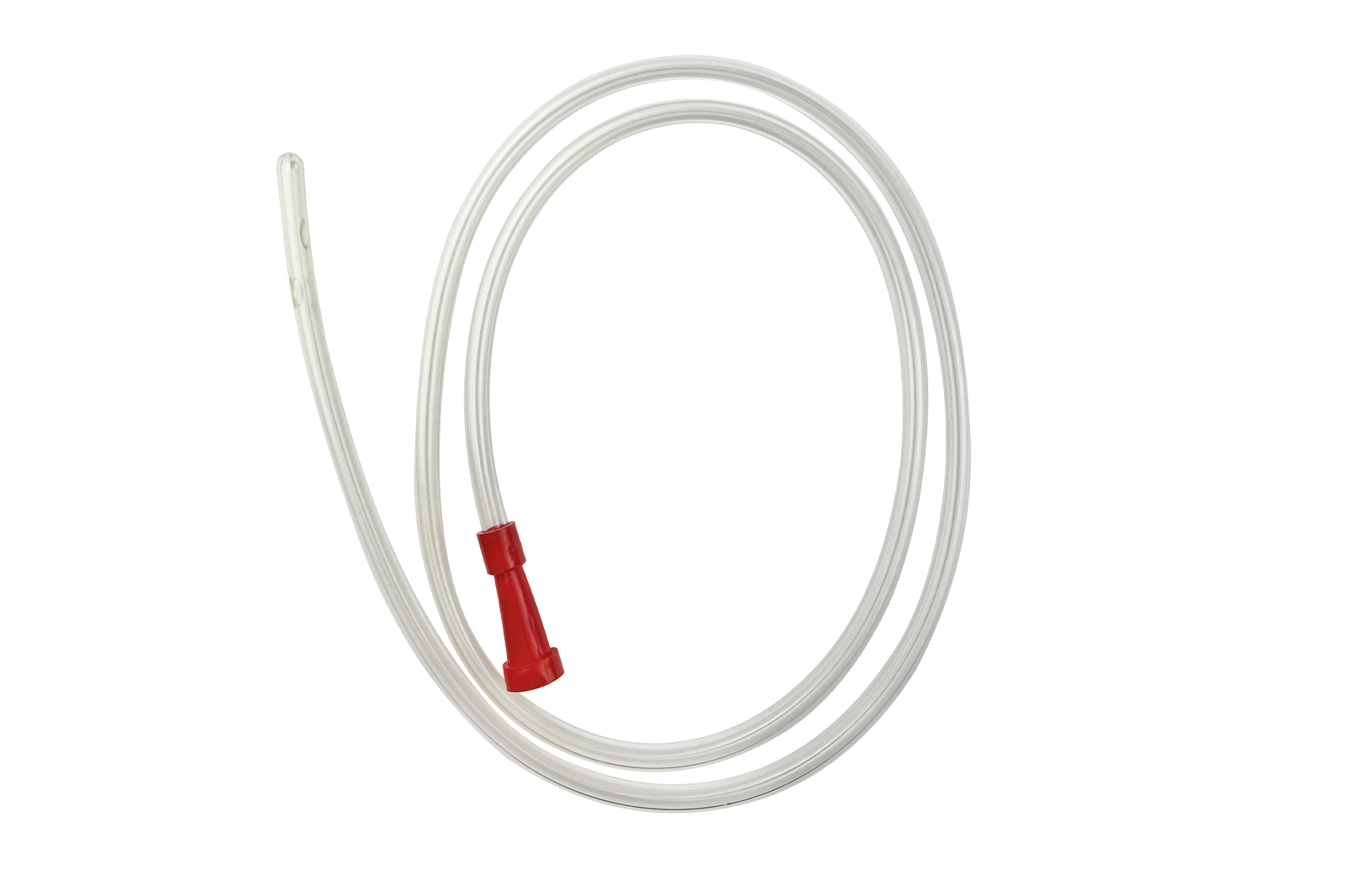
The female catheter is used in urology for single bladder drainage, administration of medicinal products into the bladder and bladder irrigation
Outer diameter D, CH – from 4 to 36, with connector color coding according to international standards. Length L, 100-2000 mm.
Tube material: transparent thermoplastic implant-grade non-toxic medical PVC, phthalate-free. With/without tube marking.
Tube with/without radiopaque stripe.
Manufacturing of the catheter with lubricated coating for self-catheterization is possible.
The female catheter is made of transparent thermoplastic implant-grade nontoxic polyvinyl chloride.
The thermoplastic material softens under the temperature of surrounding tissues.
The closed distal end has a rounded shape and ensures painless atraumatic insertion.
Two lateral openings at the distal end provide optimal drainage without risk of catheter blockage.
The non-twisting thermolabile material is resistant to bending and kinking without occluding the lumen. The smooth surface ensures easy insertion. The universal funnel-shaped connector Þts any type of urine collection bag.
A radiopaque stripe (X-ray contrast line) allows the catheter position to be determined by X-ray.
The tube marking (metric scale) allows control of insertion depth, preventing complications and improving convenience for medical personnel.
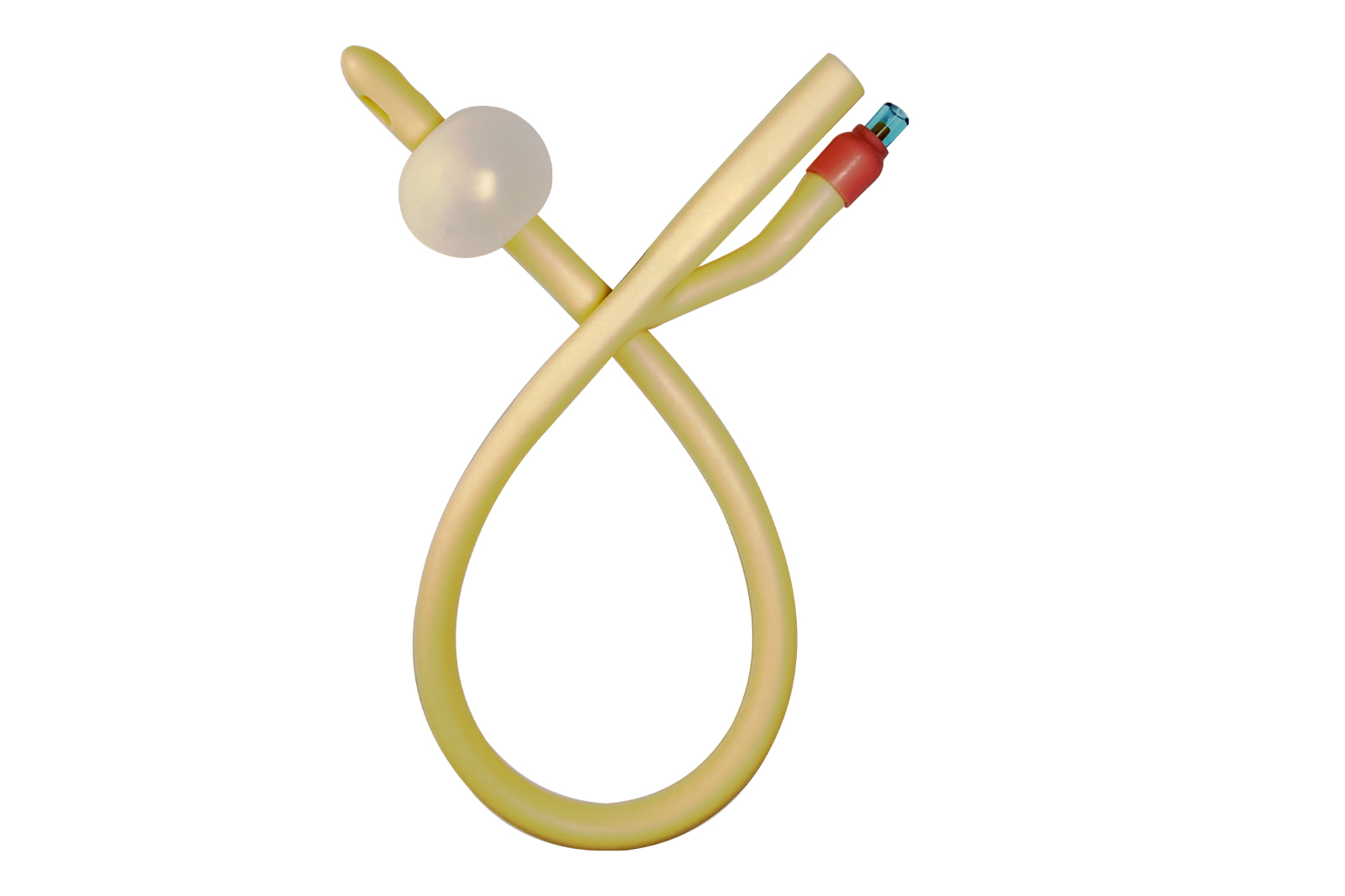
The Foley catheter is used in urology for prolonged bladder catheterization (not more than 7 days for latex catheters and up to 30 days for silicone catheters) and for various medical procedures
Outer diameter D, CH – from 4 to 36, connector color coding according to international standards. Length L – 100-2000 mm.
The Foley catheter is made of thermoplastic latex with silicone coating or 100% silicone.
The 100% silicone Foley catheter reduces the risk of tissue irritation and ensures patient comfort and safety. The physicochemical properties of silicone prevent encrustation (salt deposits on the inner wall of the channel).
Features smooth surface, closed rounded atraumatic tip, two lateral openings, and a strong symmetrical balloon.
Universal connector compatible with any type of urine bag.
An anti-return elastic valve allows balloon inflation using a needle-free syringe and prevents leakage of air or liquid.
Smooth transition from the balloon to the catheter shaft reduces the risk of injury during catheterization.
Reinforced catheter wall prevents twisting.
Notches on both sides of the inner package allow release of the proximal and distal ends of the catheter.
The three-way Foley catheter has an additional port for instillation and irrigation.
The pediatric Foley catheter (CH6-CH10) is equipped with a guidewire to facilitate manipulation.
The catheter tube may include depth marking and a radiopaque stripe along the entire tube length for accurate X-ray identiÞcation.
Tube
Connector
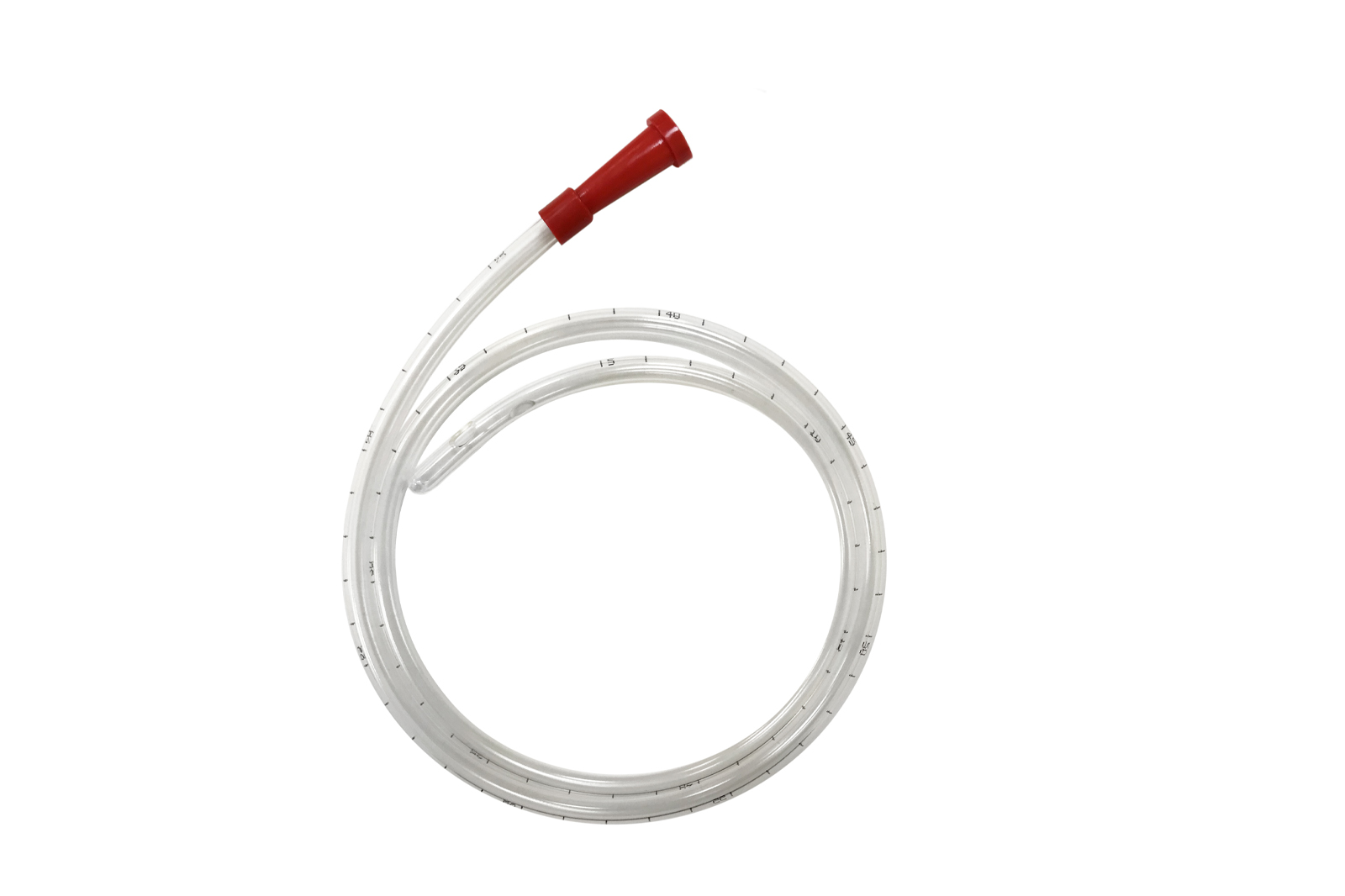
The gastric catheter (tube) is used in gastroenterology for aspiration of gastric contents and gastric lavage. May also be used for enteral feeding.
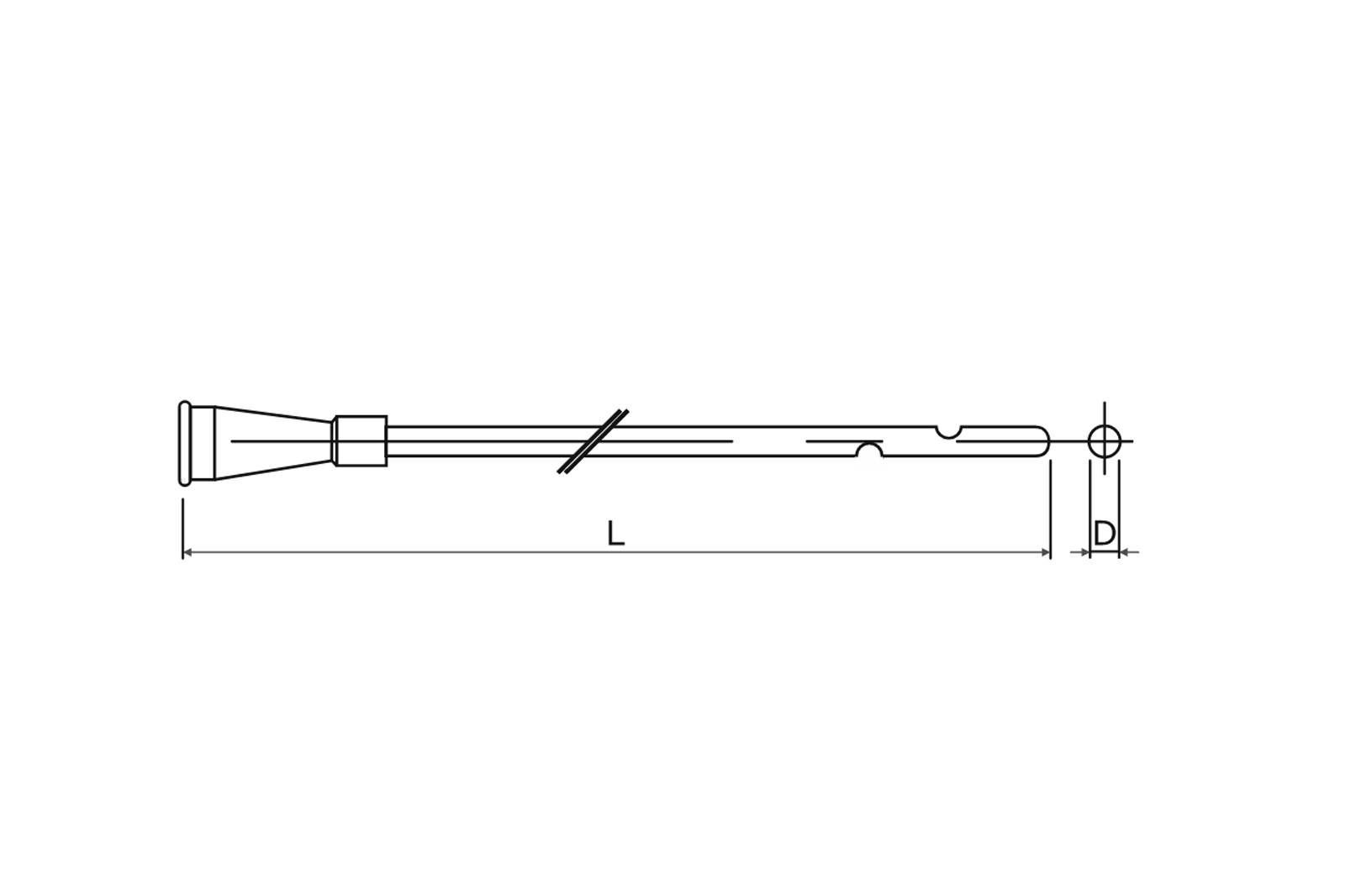
Outer diameter D, CH – from 4 to 36, with connector color coding according to international standards.
Length L, 100-2000 mm.
Tube material: transparent thermoplastic implant-grade non-toxic medical PVC, phthalate-free.
With/without tube marking.
Tube with/without radiopaque stripe.
The gastric catheter (tube) is made of transparent thermoplastic implant-grade non-toxic polyvinyl chloride.
The thermoplastic material softens under the temperature of surrounding tissues.
Closed rounded distal end, ensuring painless atraumatic insertion.
Enlarged lateral openings (at least two) ensure effective passage of liquids.
Non-twisting thermolabile material resistant to bending and kinking.
Smooth surface ensures easy insertion.
The lumen does not collapse when twisted.
The funnel-shaped connector is compatible with all standard adapters.
A radiopaque stripe (X-ray contrast line) allows the catheter position to be determined by X-ray.
The tube marking (metric scale) allows control of insertion depth, preventing complications and improving convenience for medical personnel.
Tube
Connector
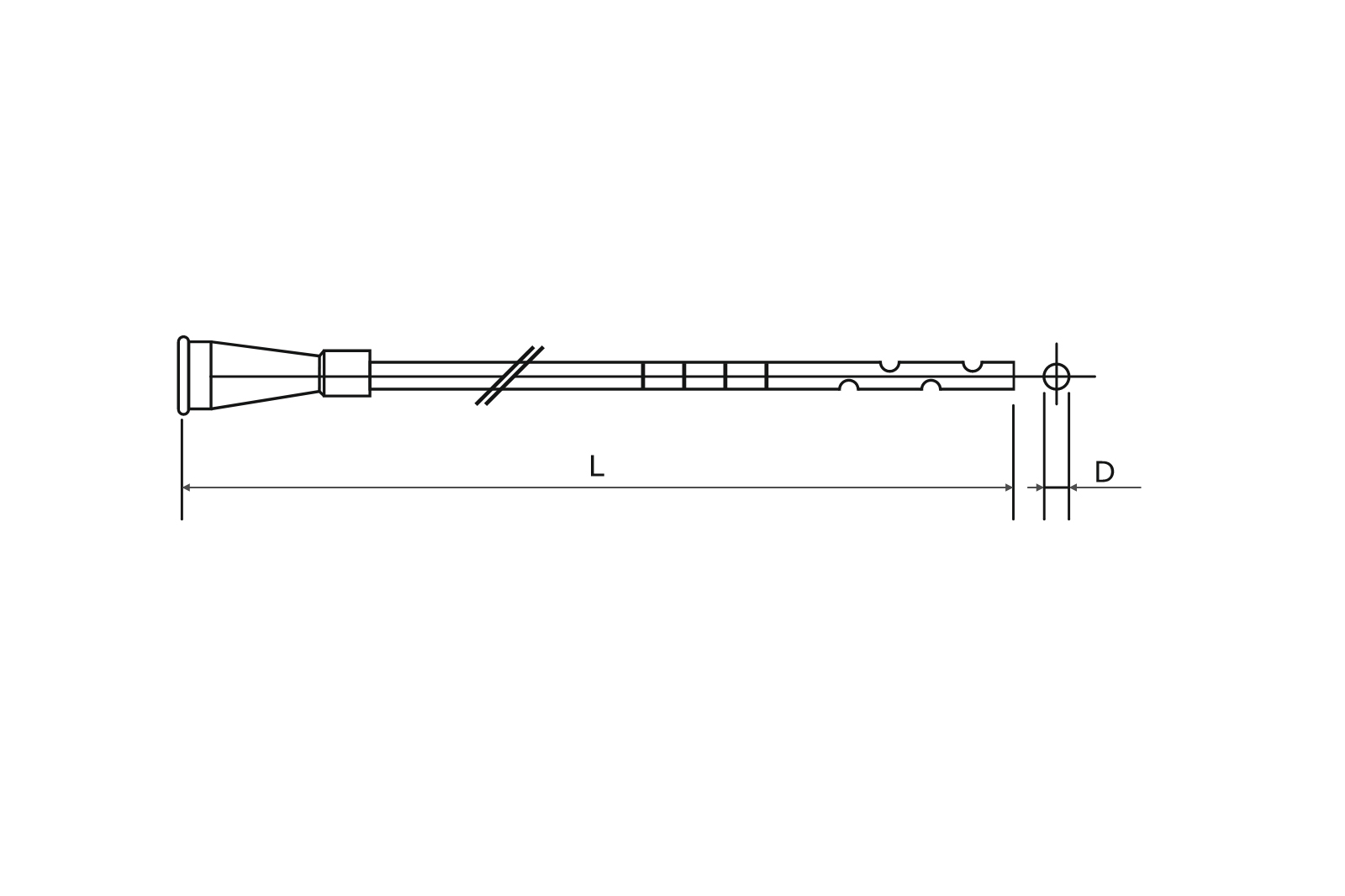
Outer diameter D, CH – from 4 to 36, with connector color coding according to international standards.
Length L – 100-4000 mm.
Tube material: transparent thermoplastic implant-grade non-toxic medical PVC, phthalate-free.
With/without tube marking.
Tube with/without radiopaque stripe.
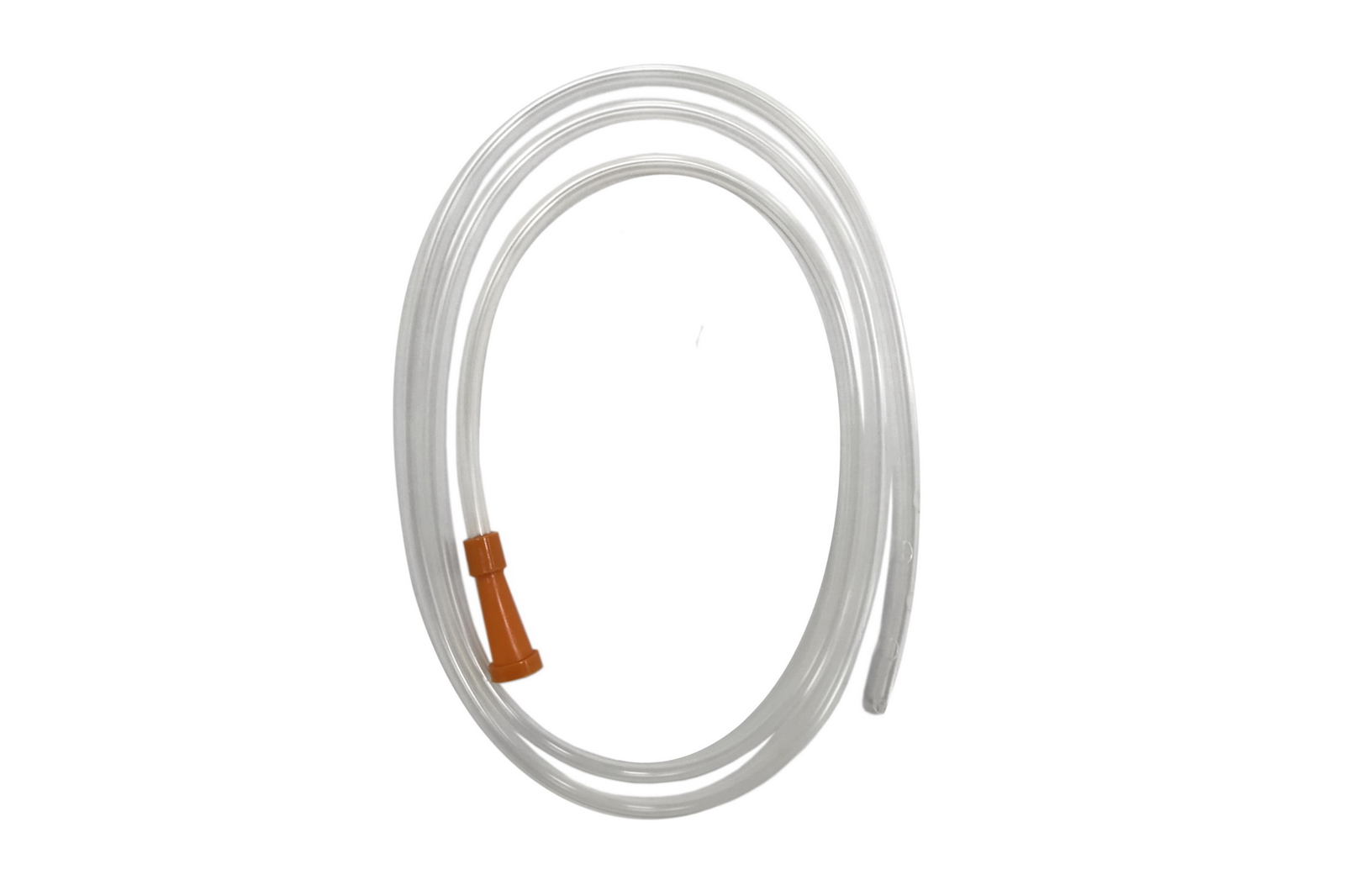
The Levin duodenal feeding catheter is used in gastroenterology for duodenal probing (aspiration of the contents of the duodenum). May also be used for enteral feeding.
The Levin duodenal feeding catheter is made of transparent thermoplastic implant-grade non-toxic polyvinyl chloride.
The thermoplastic material softens under the temperature of surrounding tissues.
It has a closed atraumatic tip, and four lateral openings arranged sequentially on two opposite walls of the catheter, ensuring effective passage of liquids.
Non-twisting thermolabile material resistant to bending and kinking.
The lumen does not collapse when twisted.
Smooth surface does not injure or irritate biological tissues.
Universal funnel-shaped connector.
A radiopaque stripe (X-ray contrast line) allows the catheter position to be determined by X-ray.
The tube marking (metric scale) allows control of insertion depth, preventing complications and improving convenience for medical personnel.
Tube
Connector
Outer diameter D, CH – from 4 to 36, with connector color coding according to international standards.
Length L – 100-4000 mm.
Tube material: transparent thermoplastic implant-grade non-toxic medical PVC, phthalate-free.
With/without tube marking.
Tube with/without radiopaque stripe.
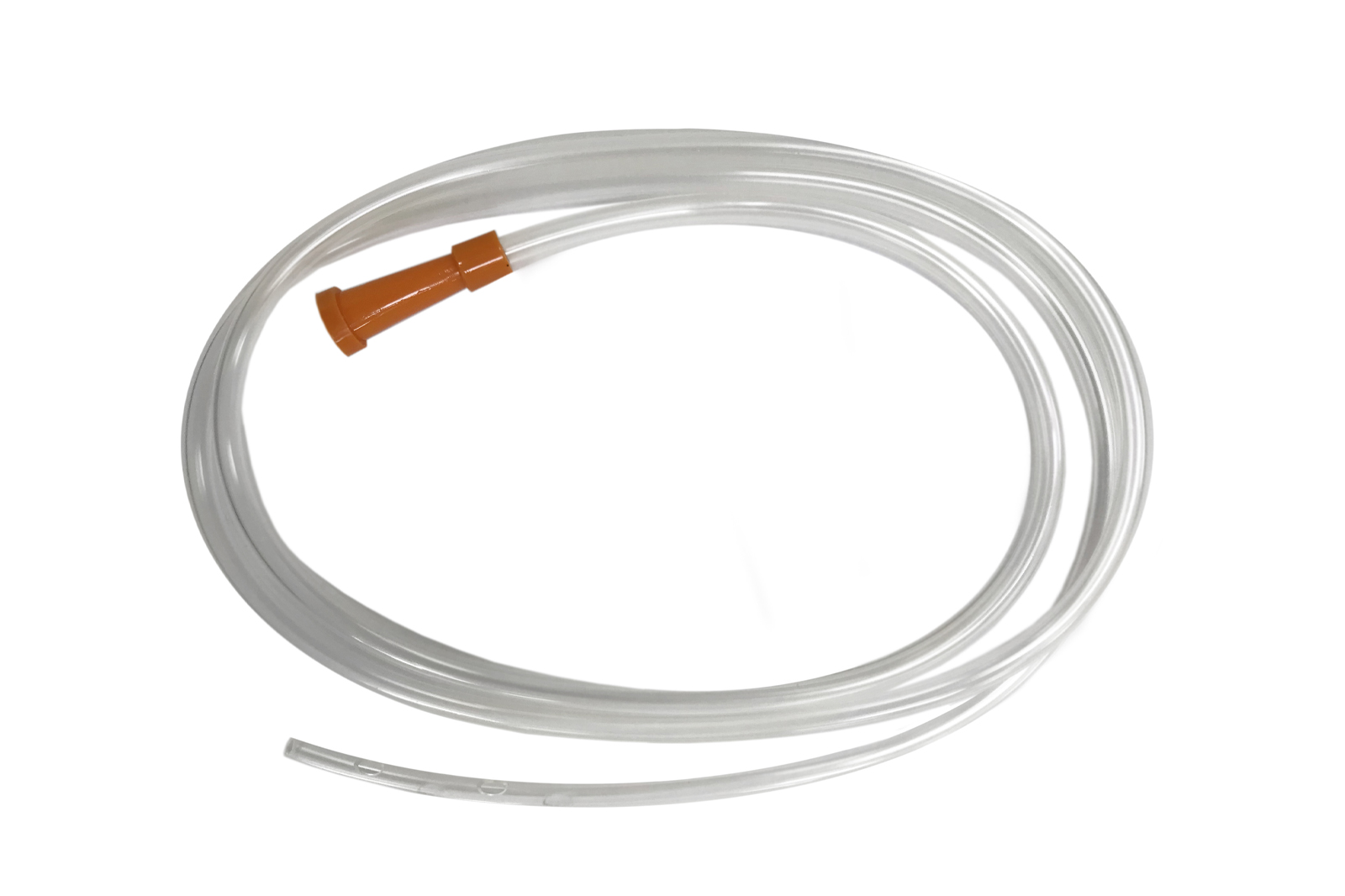
The Levin duodenal suction catheter is used in gastroenterology for duodenal probing (aspiration of the contents of the duodenum)
The Levin duodenal suction catheter is made of transparent thermoplastic implant-grade non-toxic polyvinyl chloride.
The thermoplastic material softens under the temperature of surrounding tissues.
Open atraumatic tip with four lateral openings arranged sequentially on two opposite walls of the catheter, ensuring effective drainage.
Non-twisting thermolabile material resistant to bending and kinking, the lumen does not collapse when twisted.
Smooth surface ensures easy insertion.
Universal funnel-shaped connector.
A radiopaque stripe (X-ray contrast line) allows the catheter position to be determined by X-ray.
The tube marking (metric scale) allows control of insertion depth, preventing complications and improving convenience for medical personnel.
Transparent tube material allows visual control of aspiration.
Tube
Connector
Outer diameter D, CH – from 4 to 36, with connector color coding according to international standards.
Length L, 100-2000 mm.
Tube material: transparent thermoplastic implant-grade non-toxic medical PVC, phthalate-free.
With/without tube marking.
Tube with/without radiopaque stripe.
Manufacturing of the catheter with lubricated coating for self-catheterization is possible.
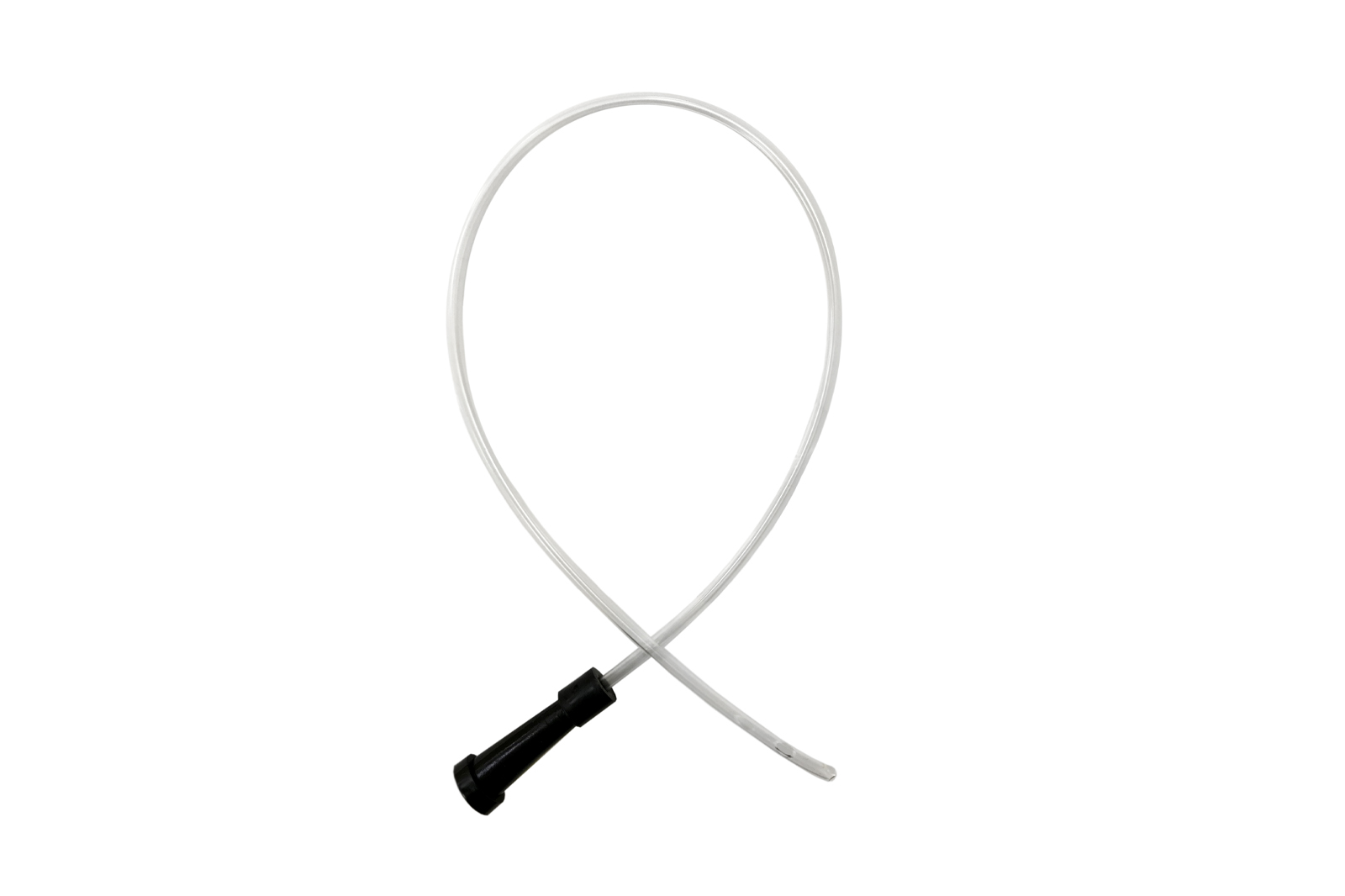
The Nelaton catheter (male) is used in urology for single bladder drainage, administration of medications into the bladder, and bladder irrigation
ADVANTAGES
The Nelaton catheter (male) is made of transparent thermoplastic implant-grade non-toxic polyvinyl chloride.
The thermoplastic material softens under the temperature of surrounding tissues.
The closed distal end has a rounded shape and ensures painless atraumatic insertion.
Two lateral openings at the distal end provide optimal drainage without risk of catheter blockage.
The non-twisting thermolabile material is resistant to bending and kinking without occluding the lumen.
The smooth surface ensures easy insertion.
The universal funnel-shaped connector Þts any type of urine collection bag.
A radiopaque stripe (X-ray contrast line) allows the catheter position to be determined by X-ray.
The tube marking (metric scale) allows control of insertion depth, preventing complications and improving convenience for medical personnel.
Tube
Connector
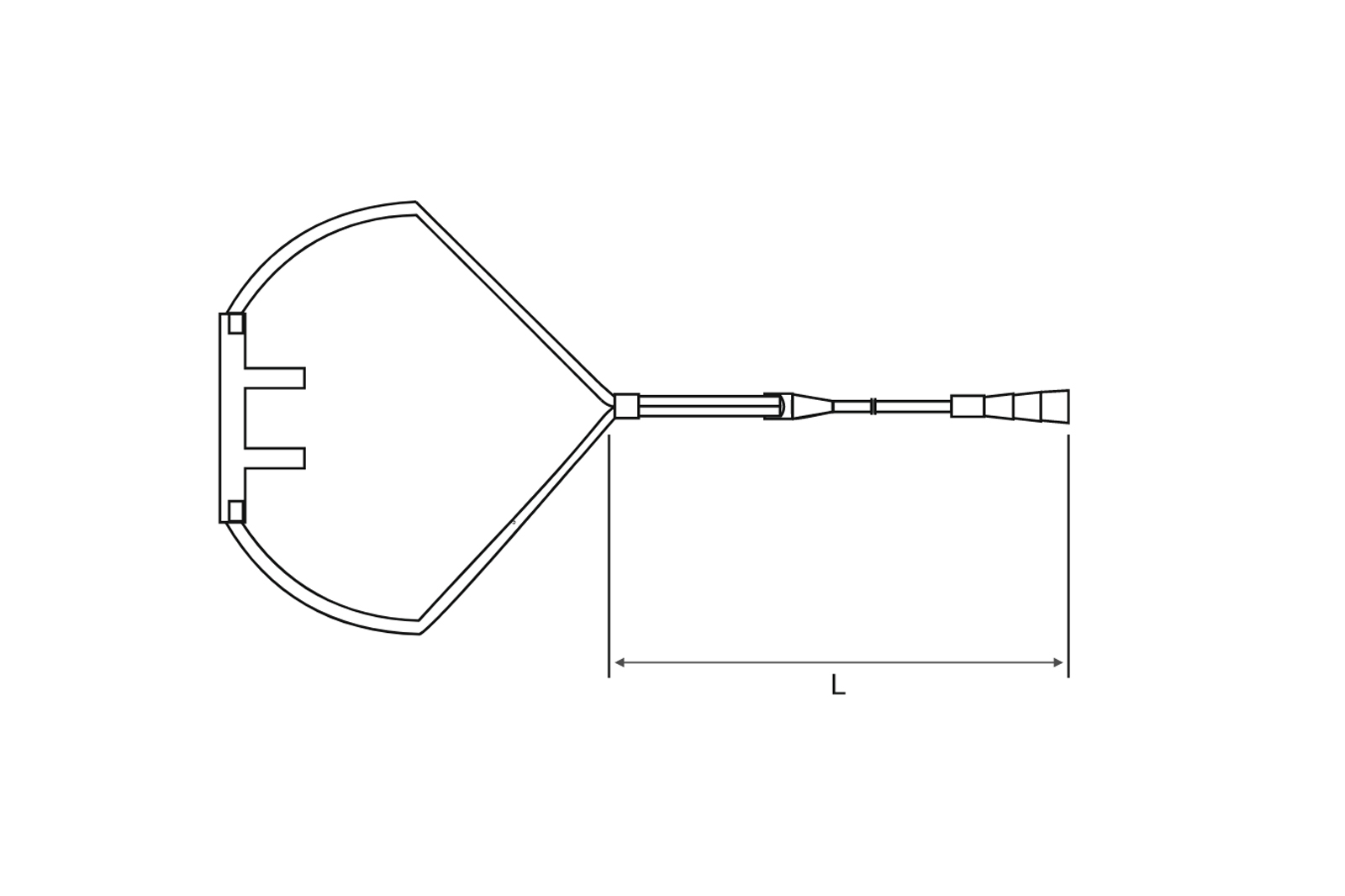
Outer diameter D, CH – from 4 to 36, with connector color coding according to international standards.
Length L – 100-4000 mm.
Tube material: transparent thermoplastic implant-grade non-toxic medical PVC, phthalate-free.
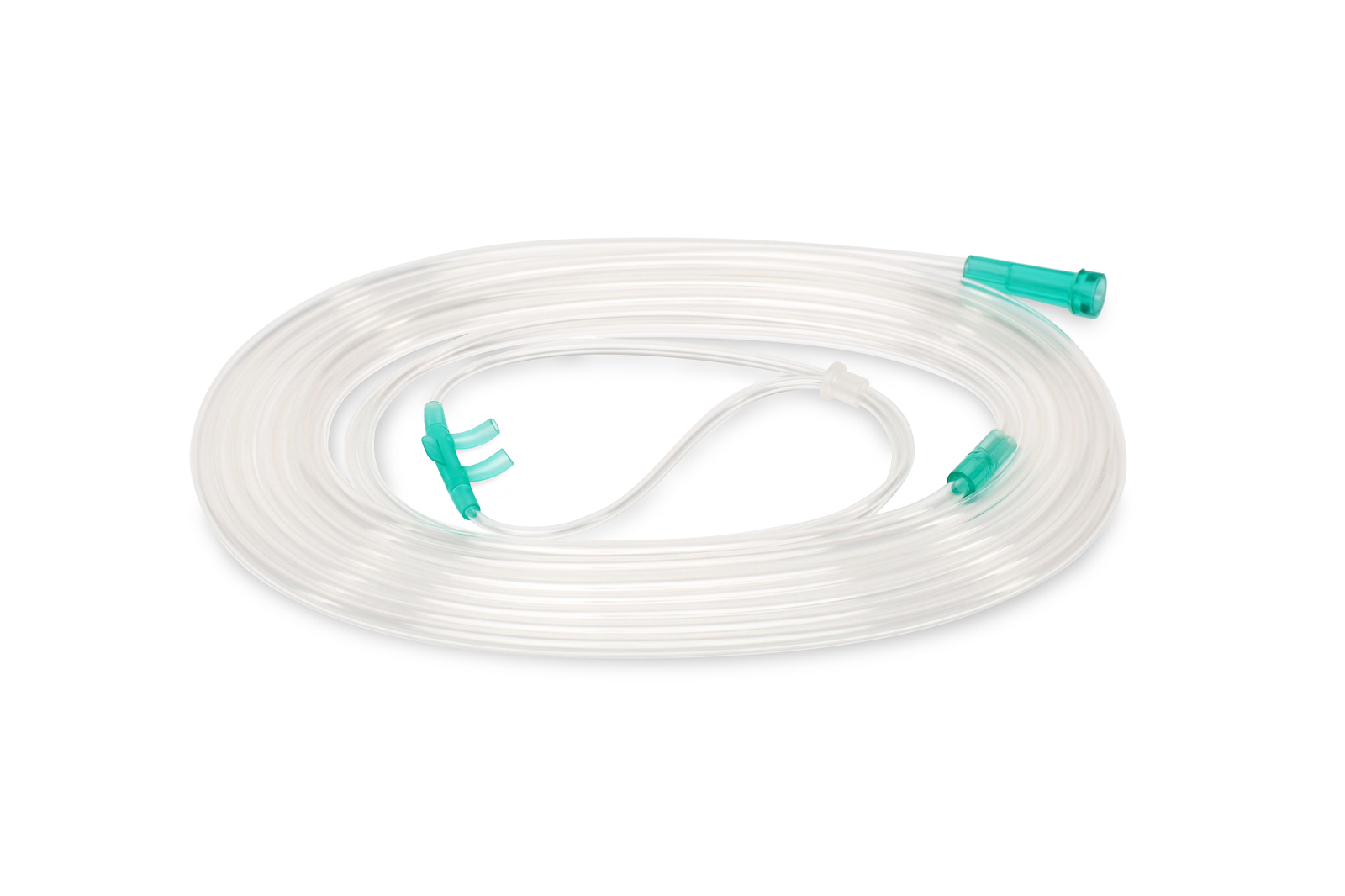
The oxygen catheter (adult, pediatric, neonatal) is intended for short-term and long-term oxygen therapy. Replaces the oxygen mask. Allows the patient to eat and speak during therapy.
The oxygen catheter is made of transparent thermoplastic non-toxic polyvinyl chloride.
The thermoplastic material of the nasal cannula softens at the temperature of surrounding tissues.
The edges of the nasal cannula are smooth and rounded, preventing trauma to the nasal mucosa and avoiding discomfort or irritation during prolonged use.
Soft non-kinking nasal section.
The oxygen catheter connector is compatible with systems for humidification and oxygen delivery.
The nasal prongs may be straight or curved.
The catheter is easily fixed in the nasal passages by adjusting the loop length.
Tube
Connector
Outer diameter D, CH – from 4 to 36, with connector color coding according to international standards.
Length L – 100-4000 mm.
Tube material: transparent thermoplastic implant-grade non-toxic medical PVC, phthalate-free.
With/without tube marking.
Tube with/without radiopaque stripe.
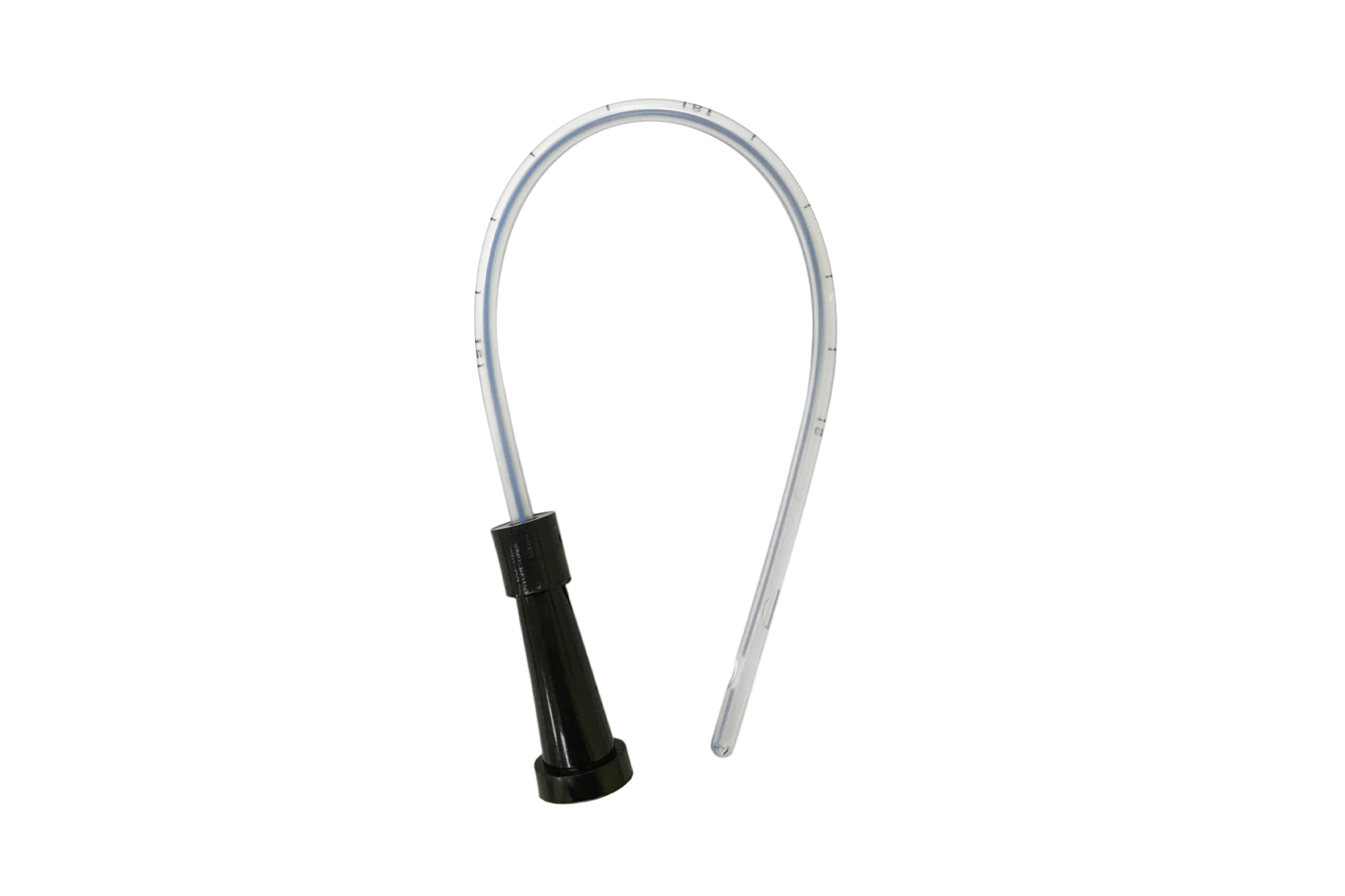
The rectal catheter is used in proctology for administration of medicinal products into the large intestine, gas evacuation and drainage of the rectum.
The rectal catheter is made of transparent thermoplastic implant-grade non-toxic polyvinyl chloride.
The thermoplastic material softens under the temperature of surrounding tissues.
Closed rounded distal end, ensuring painless atraumatic insertion.
Two lateral openings provide optimal drainage without risk of catheter blockage.
Non-twisting thermolabile material resistant to bending and kinking.
Smooth surface ensures easy insertion.
The lumen does not collapse when twisted. Universal funnel-shaped connector.
A radiopaque stripe (X-ray contrast line) allows the catheter position to be determined by X-ray.
The tube marking (metric scale) allows control of insertion depth, preventing complications and improving convenience for medical personnel.
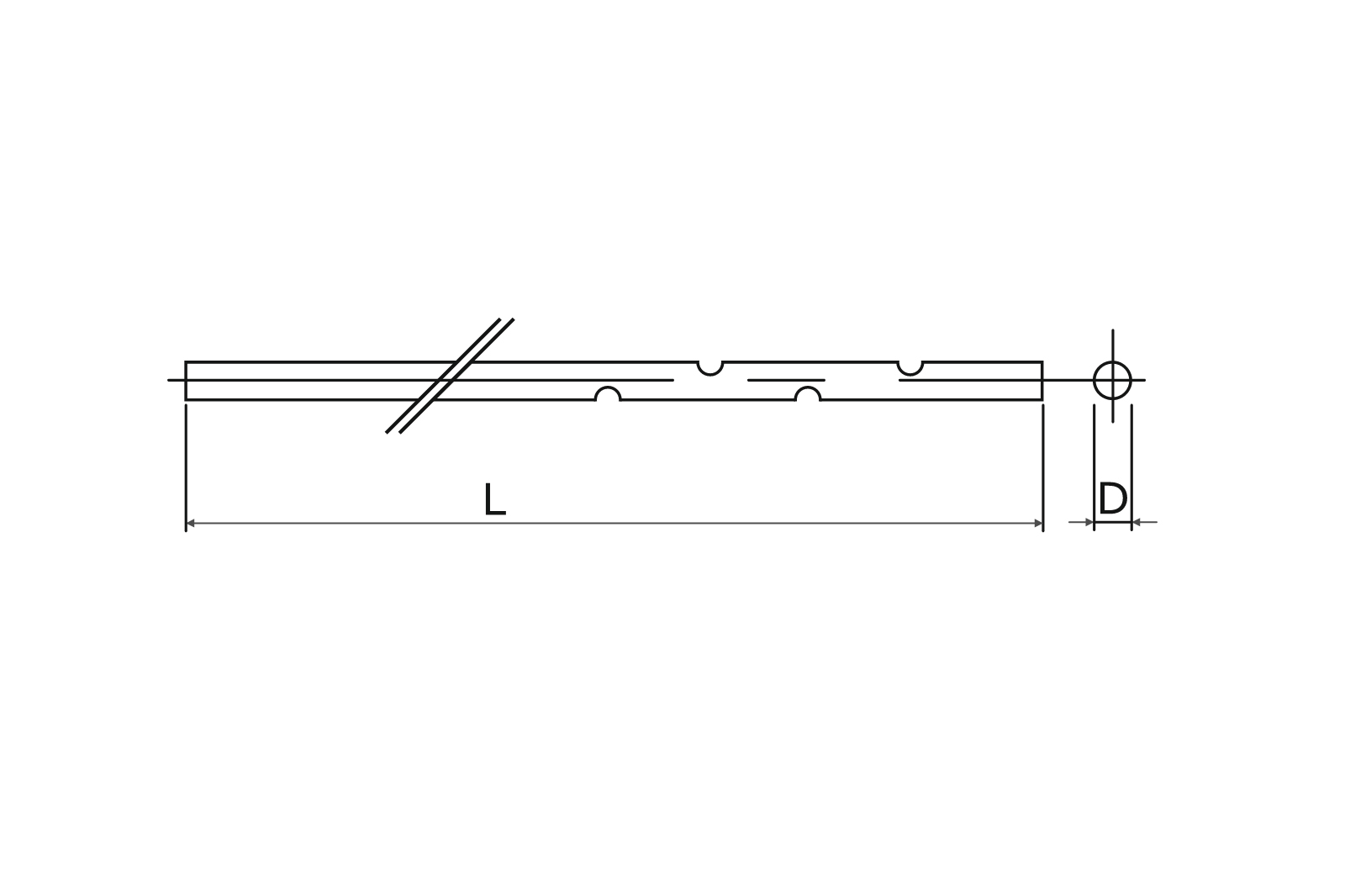
Tube
Outer diameter D, CH – from 4 to 36
Length L – 100-20000 mm.
Tube material: transparent thermoplastic implant-grade non-toxic medical PVC, phthalate-free.
With/without tube marking.
Tube with/without radiopaque stripe.
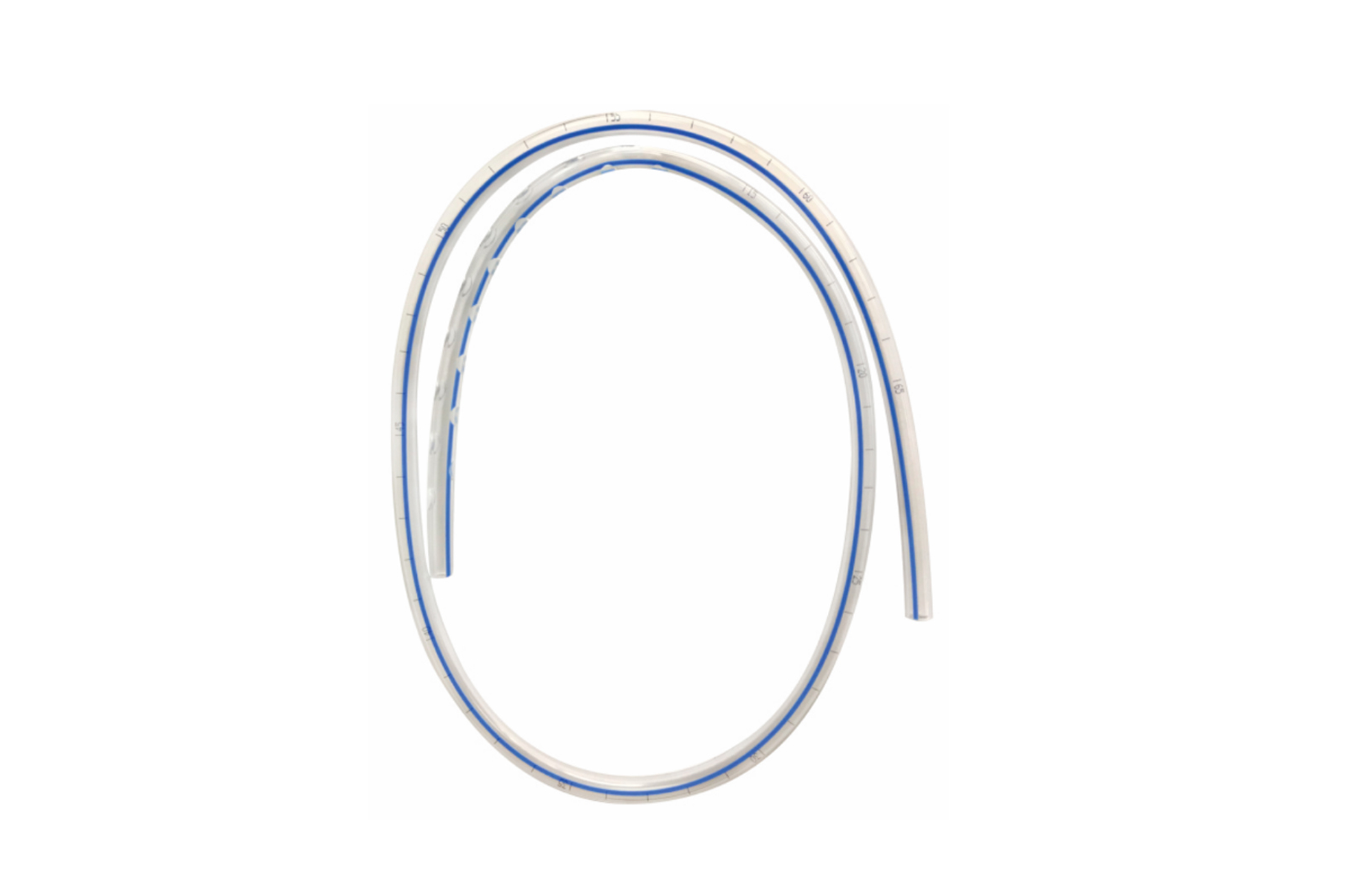
The Redon-type catheter is used in surgery for removal of blood and exudate from the operated area.
The Redon-type catheter is made of transparent thermoplastic non-toxic polyvinyl chloride.
The thermoplastic material softens under the temperature of surrounding tissues.
It has an atraumatic open tip.
Equal-sized lateral openings are arranged symmetrically on two opposite walls of the catheter (number of openings according to customer agreement), ensuring effective drainage without risk of blockage.
Non-twisting thermolabile material resistant to bending and kinking.
The lumen does not collapse when twisted.
A radiopaque stripe (X-ray contrast line) allows the catheter position to be determined by X-ray.
The tube marking (metric scale) allows control of insertion depth, preventing complications and improving convenience for medical personnel.
The smooth surface ensures easy insertion.
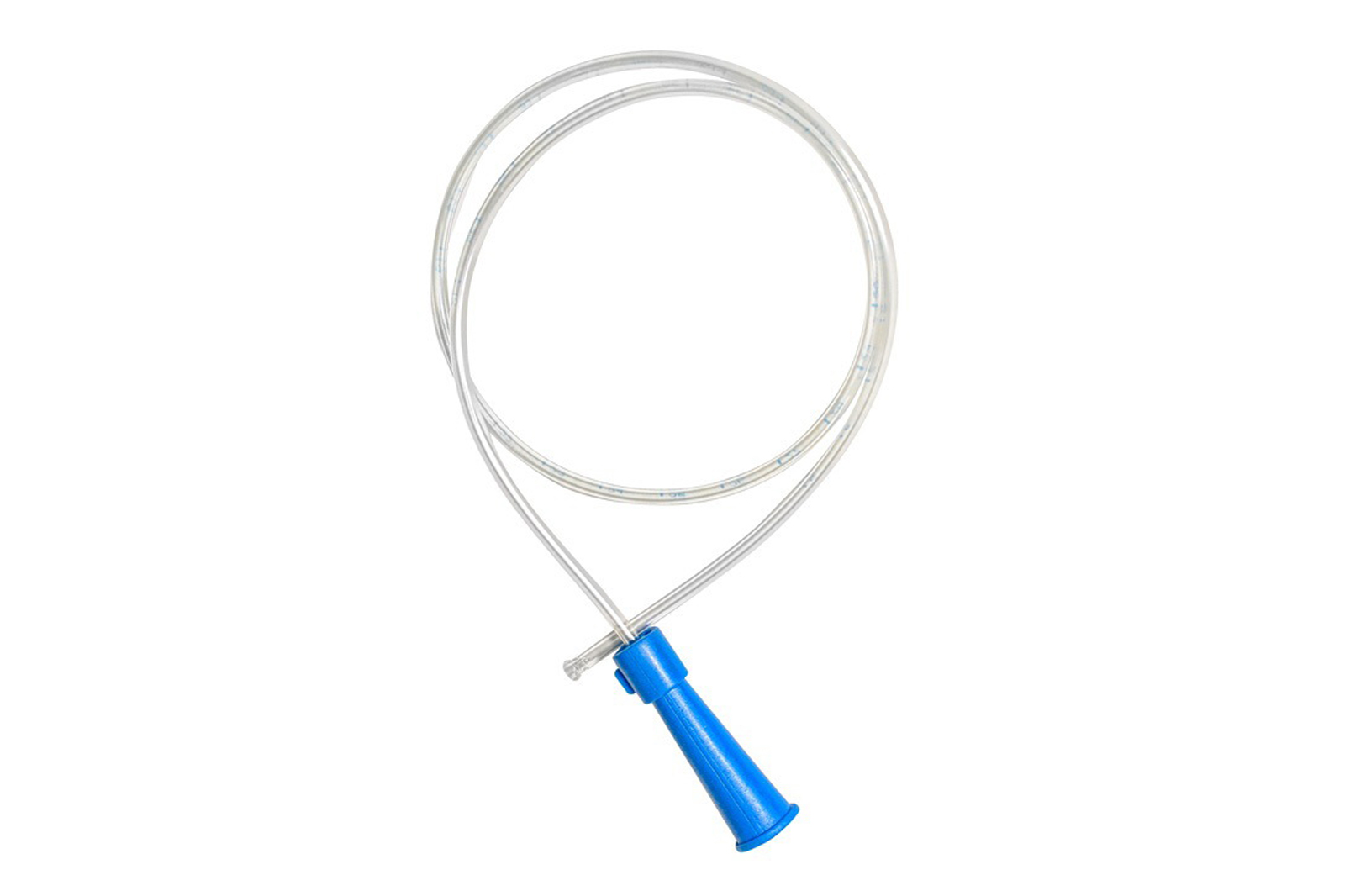
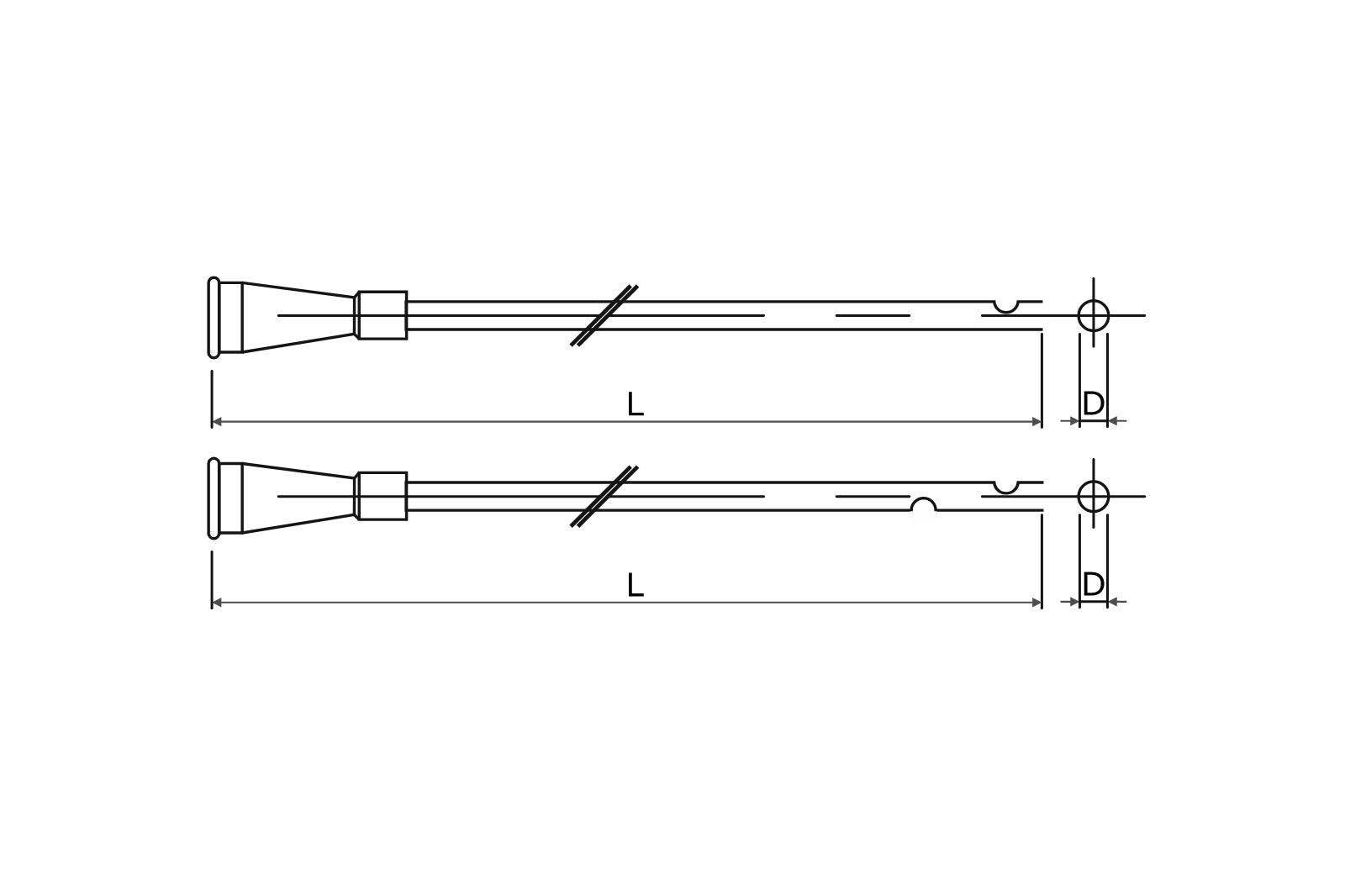
Tube
Connector
Outer diameter D, CH – from 4 to 36, with connector color coding according to international standards.
Length L, 100-2000 mm.
Tube material: transparent thermoplastic implant-grade non-toxic medical PVC, phthalate-free.
With/without tube marking.
Tube with/without radiopaque stripe.
The suction catheter is used in anesthesiology for sanitation of the upper respiratory tract, including through endotracheal and tracheotomy tubes.
The suction catheter is made of transparent thermoplastic implant-grade non-toxic polyvinyl chloride.
The thermoplastic material softens under the temperature of surrounding tissues.
Open atraumatic tip with one lateral opening.
Connector without vacuum control compatible with standard vacuum aspirators.
Transparent material allows visual control of aspiration.
Non-twisting thermolabile material resistant to bending and kinking.
The lumen does not collapse when twisted.
A radiopaque stripe (X-ray contrast line) allows the catheter position to be determined by X-ray.
The tube marking (metric scale) allows control of insertion depth, preventing complications and improving convenience for medical personnel.
The smooth surface ensures easy insertion.
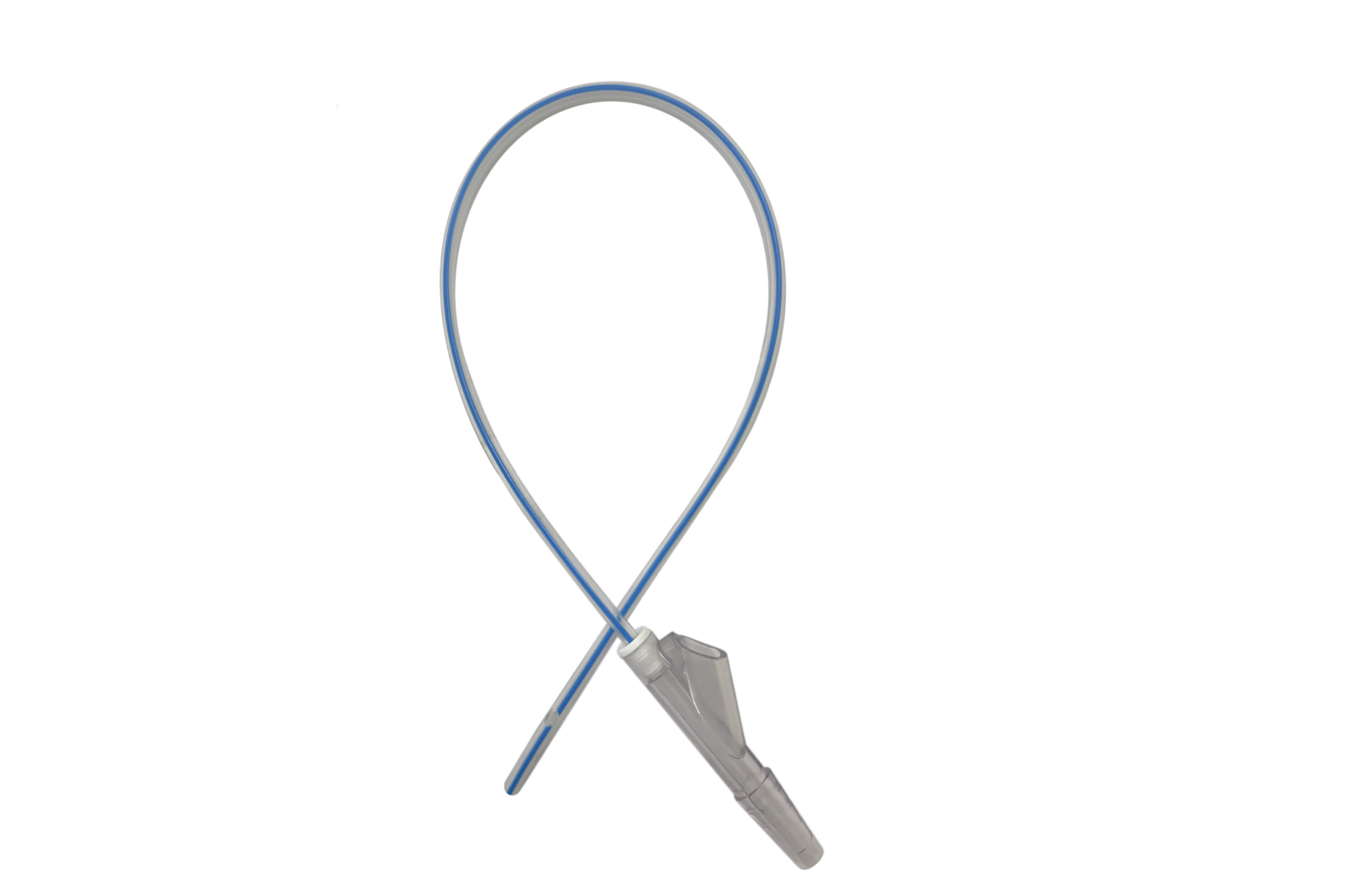
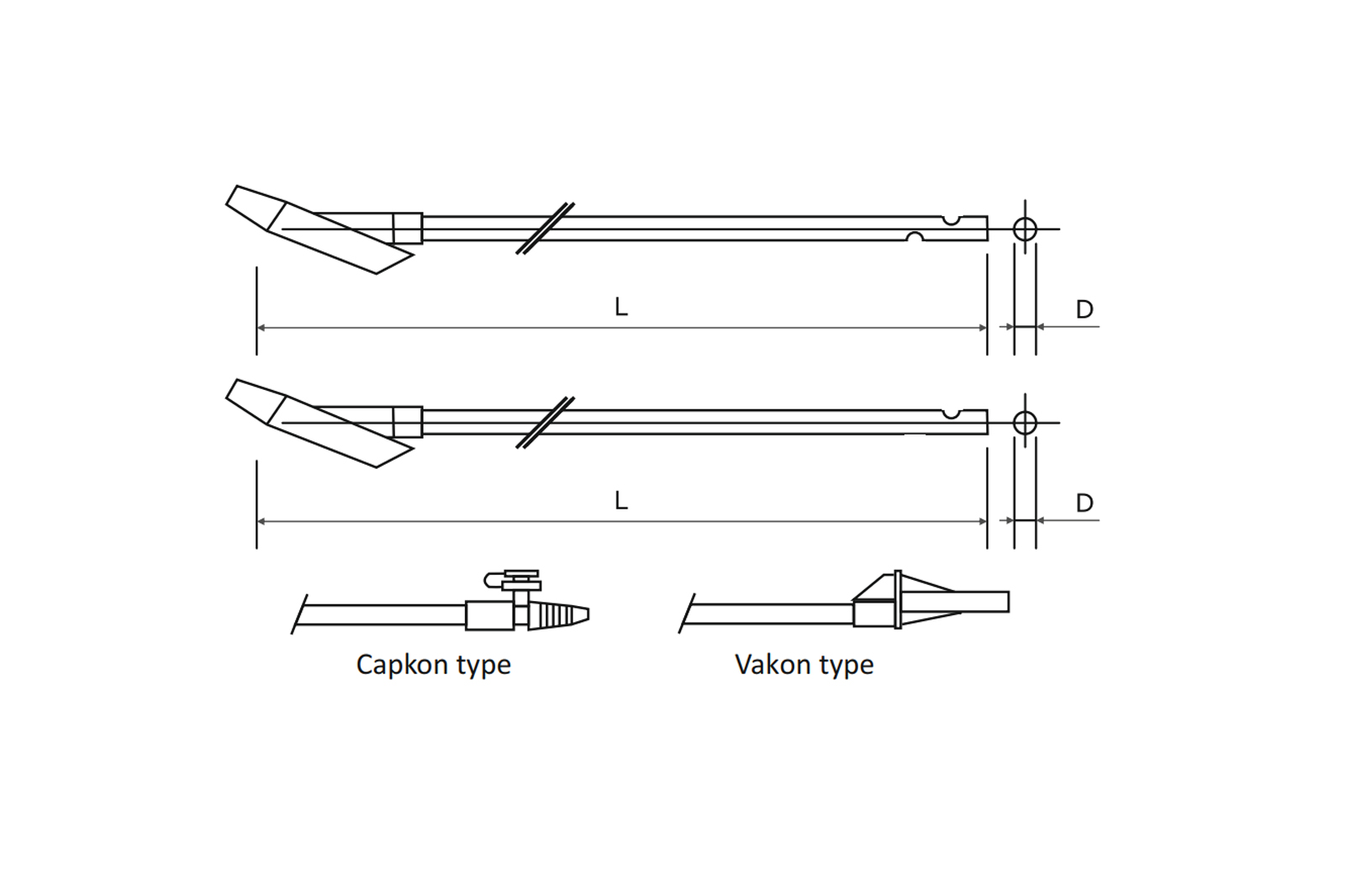
Tube
Connector
Outer diameter D, CH – from 4 to 36, with connector color coding according to international standards.
Length L, 100-2000 mm.
Tube material: transparent thermoplastic implant-grade non-toxic medical PVC, phthalate-free.
With/without tube marking.
Tube with/without radiopaque stripe.
The suction catheter with vacuum control is used in anesthesiology for sanitation of the upper respiratory tract, including through endotracheal and tracheotomy tubes.
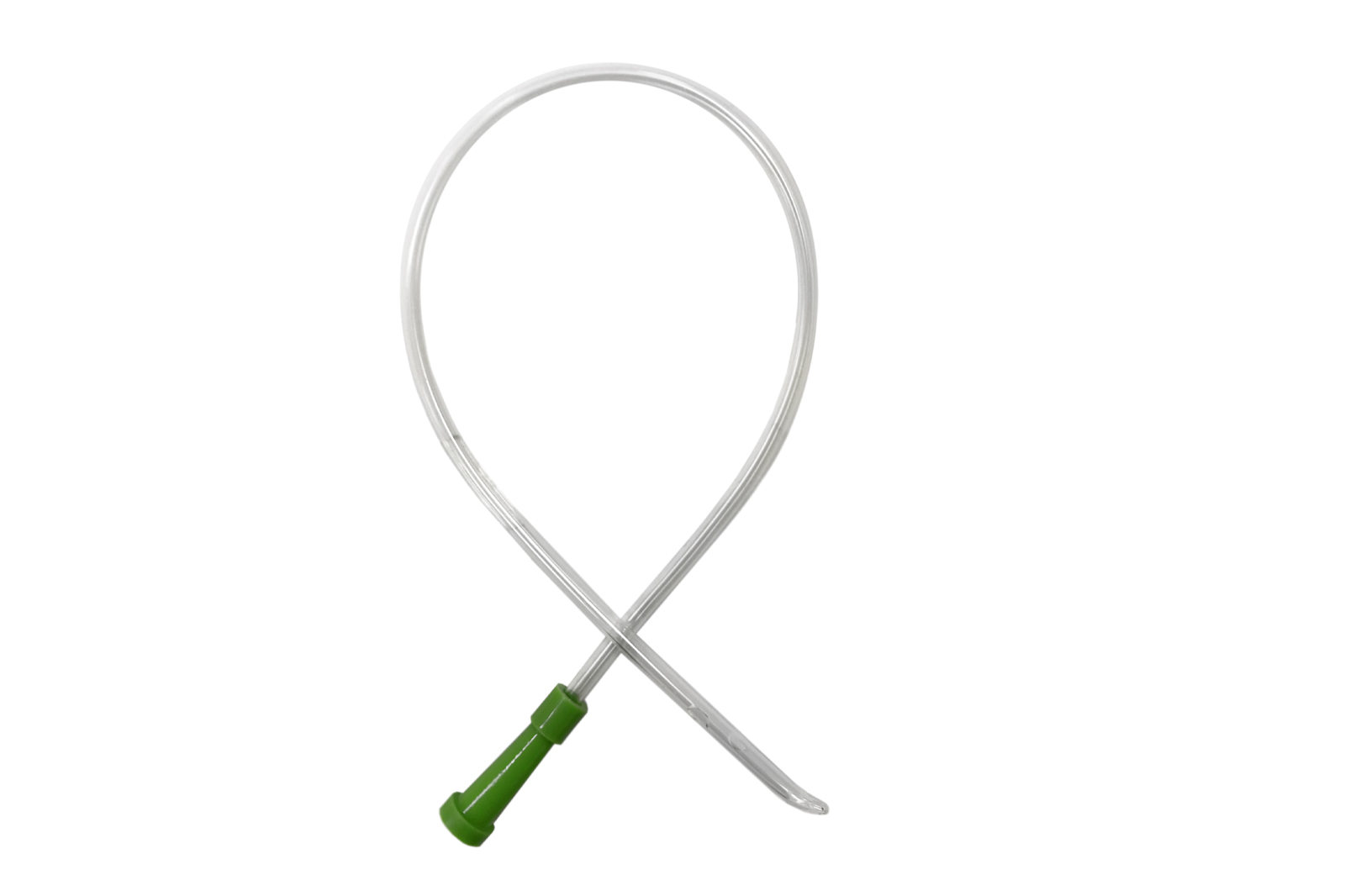
Tube
Connector
Outer diameter D, CH – from 4 to 36, with connector color coding according to international standards.
Length L, 100-2000 mm.
Tube material: transparent thermoplastic implant-grade non-toxic medical PVC, phthalate-free.
With/without tube marking.
Tube with/without radiopaque stripe.
Manufacturing of the catheter with lubricated coating for self-catheterization is possible
The Tiemann catheter (male) is used in urology for single bladder drainage, administration of medicinal products into the bladder, and bladder irrigation in men with obstructive urethral pathology
The Tiemann catheter (male) is made of transparent thermoplastic implant-grade non-toxic polyvinyl chloride.
The thermoplastic material softens under the temperature of surrounding tissues.
Elastic urethral catheter with a curved conical working tip, facilitating insertion of the instrument in the presence of prostatic adenoma.
Closed atraumatic tip with two lateral openings for efÞcient drainage without risk of catheter blockage.
Optimally rigid for passing through the narrowed section of the urethra. Non-twisting thermolabile material resistant to bending and kinking. The universal funnel-shaped connector Þts any type of urine collection bag.
A radiopaque stripe (X-ray contrast line) allows the catheter position to be determined by X-ray.
The tube marking (metric scale) allows control of insertion depth, preventing complications and improving convenience for medical personnel.
The smooth surface ensures easy insertion.
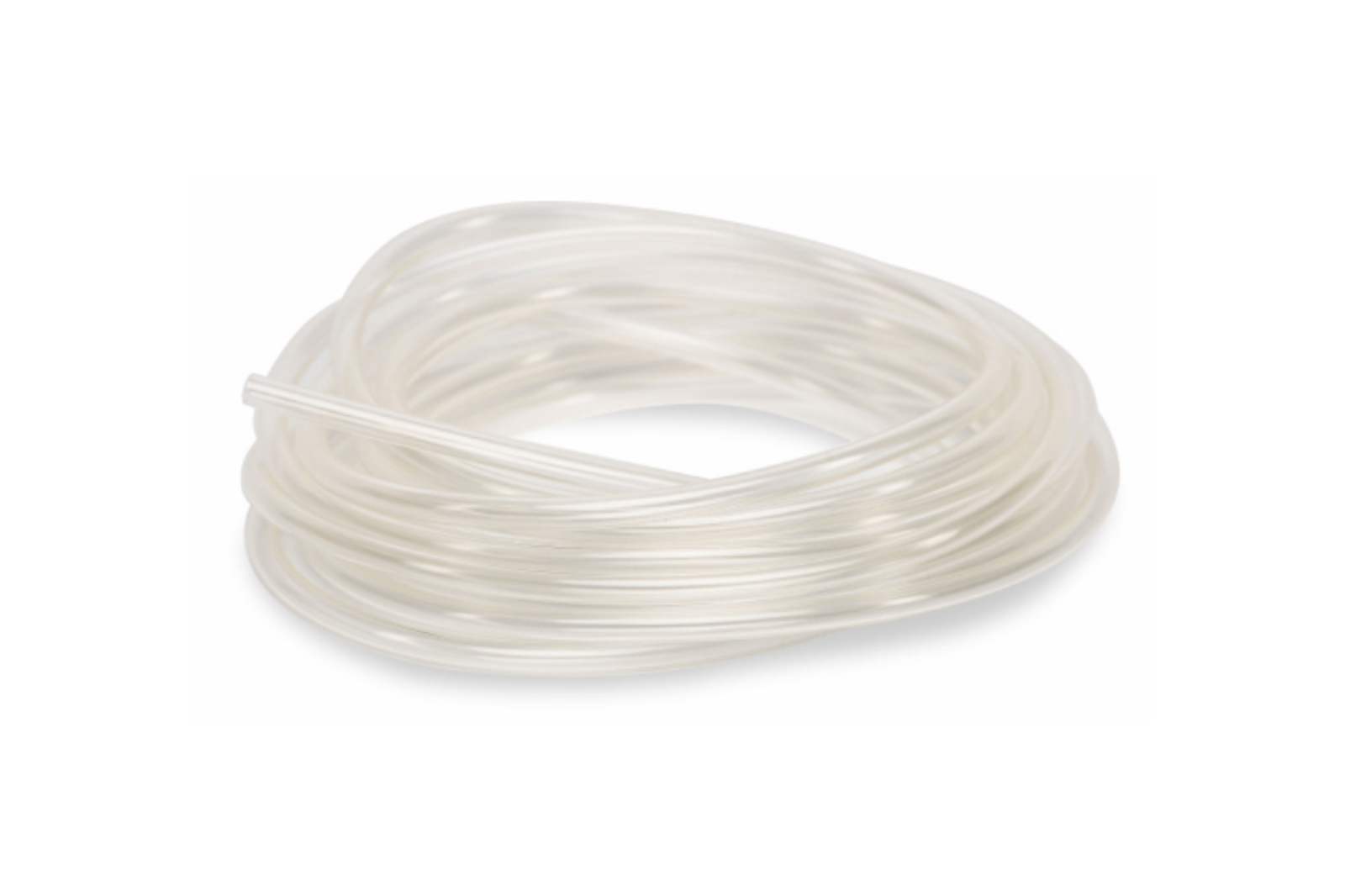
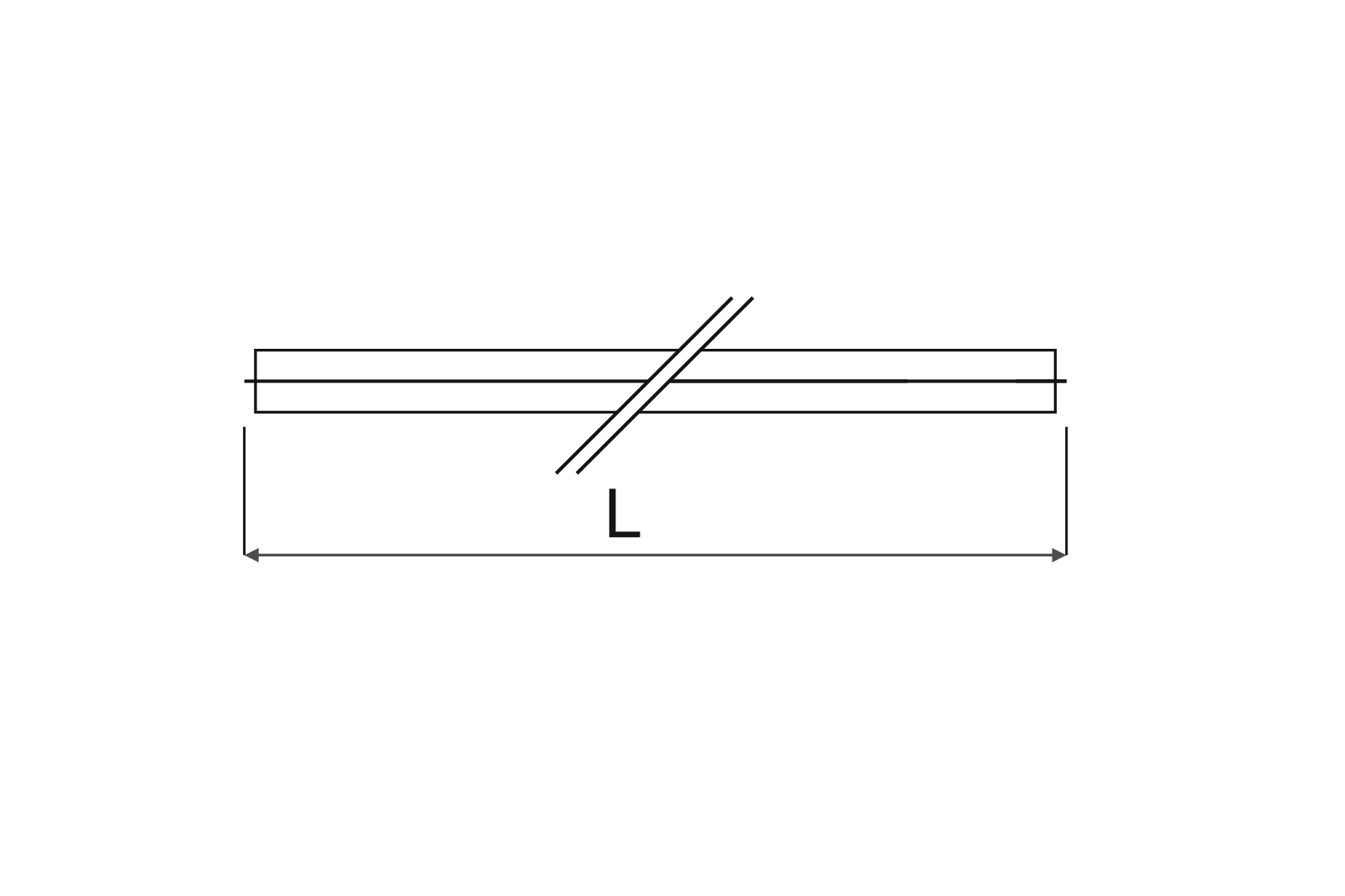
Tube in coils
Outer diameter D, CH – 4 to 36.
Tube material: transparent thermoplastic implant-grade non-toxic medical PVC, phthalate-free.
With/without tube marking.
Tube with/without radiopaque stripe.
Tube length according to customer agreement.
Tube in coils is intended for catheterization, probing, manufacture of drainage systems, devices for blood transfusion, blood substitutes and infusion solutions, as well as for assembly of pump and other medical devices and connection with surgical equipment and instruments.
The tube is made of transparent thermoplastic non-toxic polyvinyl chloride.
The thermoplastic material softens under the temperature of surrounding tissues.
The smooth tube surface ensures effective fluid outflow.
Non-twisting thermolabile material resistant to bending and kinking.
The lumen does not collapse when twisted.
Transparent tube material allows visual monitoring.
A radiopaque stripe (X-ray contrast line) allows the catheter position to be determined by X-ray.
The tube marking (metric scale) allows control of insertion depth, preventing complications and improving convenience for medical personnel.
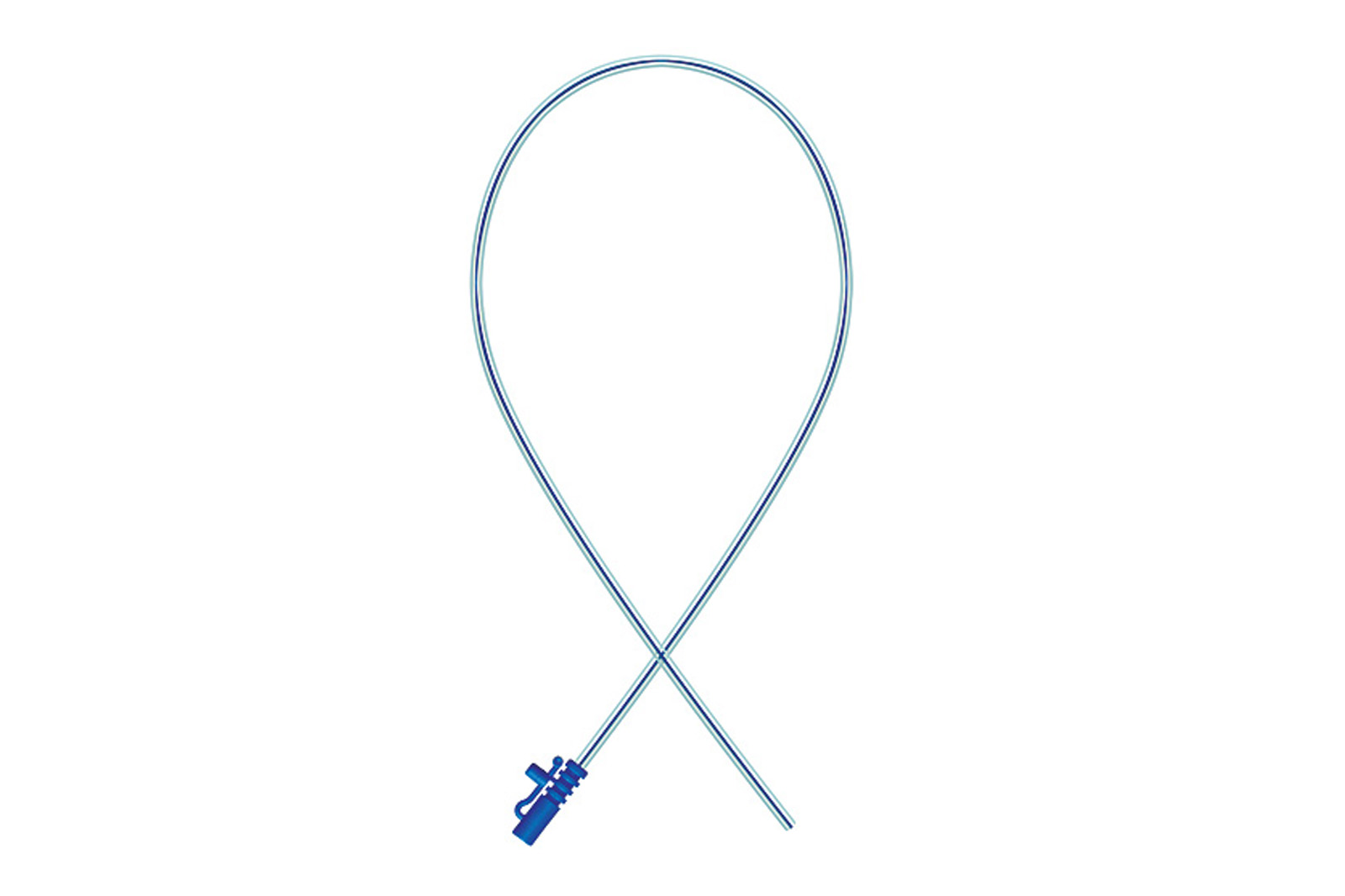
Tube
Connector
Outer diameter D, CH – from 4 to 36, with connector color coding according to international standards.
Length L, 100-2000 mm.
Tube material: transparent thermoplastic implant-grade non-toxic medical PVC, phthalate-free.
With/without tube marking.
Tube with/without radiopaque stripe.
The umbilical catheter is used for catheterization of the umbilical vein in newborns for infusion-transfusion therapy or parenteral nutrition.
The umbilical catheter is made of transparent thermoplastic implant-grade non-toxic polyvinyl chloride.
The thermoplastic material softens under the temperature of surrounding tissues.
The open distal end and catheter edges are carefully processed and rounded to ensure atraumatic insertion.
A radiopaque stripe (X-ray contrast line) allows the catheter position to be determined by X-ray.
The Luer-type connector with a hermetically closing cap (designed for repeated opening and closing) prevents liquid leakage and protects the catheter contents from infection.
Indelible length marking with fixed increments.
The tube marking (metric scale) allows control of insertion depth, preventing complications and improving convenience for medical personnel.
The Luer-type connector is adapted for use with automatic dosing devices.
Smooth surface ensures easy insertion.
The tube lumen does not collapse when twisted.